As the UK accelerates toward net zero emissions, understanding where your carbon emissions come from is no longer optional, it’s essential. For property owners, developers, and landlords across Scotland, England, and Wales, carbon reporting and reduction are becoming central to compliance, asset value, and long-term sustainability.
One of the most widely used frameworks for carbon accounting is the classification of Scope 1, 2 and 3 emissions. These categories help businesses and property stakeholders measure, manage, and reduce their environmental footprint across the entire carbon value chain.
In this guide, we’ll explain scope 1 2 3 emissions, why they matter, and how solar panels and solar electricity play a powerful role in decarbonising buildings, while helping you reduce costs and move closer to carbon zero.
What Does “Carbon Footprint” Mean?
Before diving into scopes, it’s important to understand carbon footprint meaning.
A carbon footprint refers to the total greenhouse gas emissions (mainly CO₂) generated directly and indirectly by an activity, building, or organisation. This includes:
- Energy use
- Fuel combustion
- Supply chains
- Purchased electricity
- Products and services
When property owners calculate your carbon footprint, they gain insight into where emissions originate—and which actions will have the greatest impact on carbon reduction.
What Are Scope 1, 2 and 3 Emissions?
The Greenhouse Gas (GHG) Protocol divides emissions into three categories:
- Scope 1: Covers: Direct emissions, for example: On-site fuel use
- Scope 2: Covers: Indirect energy emissions, for example: Purchased electricity
- Scope 3: Covers: Value chain emissions, for example: Suppliers, tenants, materials
Let’s break them down in detail.
Scope 1 Emissions: Direct Emissions You Control
Scope 1 emissions are direct carbon emissions from sources owned or controlled by your organisation or property.
Examples for Property Owners:
- Gas boilers and heating systems
- On-site diesel generators
- Company-owned vehicles
- Fuel combustion within buildings
These emissions are often the most visible, and the easiest to reduce through energy transition strategies.
How Solar Panels Help Reduce Scope 1 Emissions?
Installing solar panels reduces reliance on fossil-fuel-powered heating and electricity systems, especially when paired with:
- Heat pumps
- Electrification of assets
- Smart energy management
By shifting to solar energy, property owners can significantly lower direct fuel consumption and accelerate their journey toward low carbon operations.
Scope 2 Emissions: Indirect Emissions from Purchased Energy
Scope 2 emissions are indirect emissions from the generation of electricity, heat, or steam that you purchase and consume.
Examples:
- Electricity from the National Grid
- Purchased heating or cooling
Even though these emissions occur off-site, they still contribute to your carbon footprint.
Solar Electricity and Scope 2 Emissions Reduction
This is where solar solutions offer immediate, measurable benefits.
Why Solar Electricity Matters:
- Grid electricity still carries a significant carbon intensity
- On-site solar electricity reduces dependence on fossil fuels
- Solar panels generate zero operational emissions
Installing solar panels can reduce Scope 2 emissions by 30–70%, depending on system size and usage.
Power Purchase Agreement (PPA) Solar Explained
For property owners who want zero upfront cost, a power purchase agreement solar model allows you to:
- Install solar panels with no capital investment
- Pay only for the electricity used
- Lock in predictable, low energy costs
- Reduce Scope 2 emissions immediately
This is especially attractive for landlords and commercial developers managing multiple properties.
Scope 3 Carbon Emissions: The Hidden Majority
Scope 3 carbon emissions often represent the largest share of total emissions, sometimes over 70%.
They include all indirect emissions across the carbon value chain.
Examples for Property Stakeholders:
- Construction materials (steel, concrete)
- Supply chain emissions
- Tenant energy use
- Maintenance services
- Waste disposal
- End-of-life asset disposal
While harder to control, Scope 3 emissions are critical to achieving net zero.
The Carbon Footprint of Solar Panels: Addressing a Common Concern
A common question is:
“What about the carbon footprint of solar panels?”
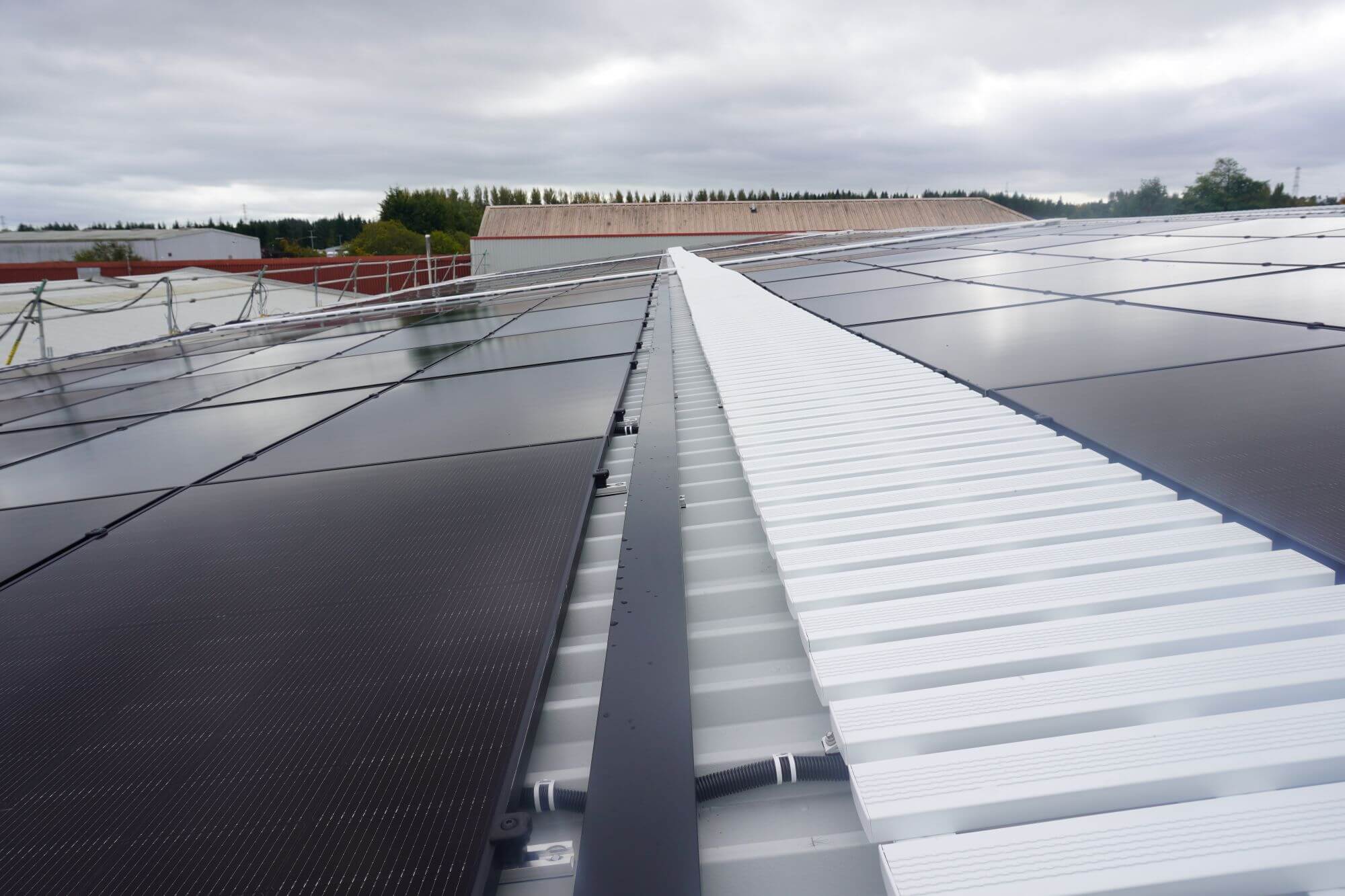
Yes, carbon emissions from solar panel production exist, but context matters.
Key Facts:
- Solar panels offset their embodied carbon within 1–3 years
- Lifespan typically exceeds 25–30 years
- Net carbon savings are substantial over time
How Solar Helps Decarbonise the Entire Carbon Value Chain?
Installing solar panels impacts all three scopes:
- Scope 1: Reduces on-site fuel usage and supports electrification of heating
- Scope 2: Cuts emissions from purchased electricity, improves EPC rating, and stabilises energy costs
- Scope 3: Lowers tenant energy emissions, reduces reliance on high-carbon suppliers, and enhances sustainability credentials for investors
This holistic impact makes solar one of the most effective carbon management tools available today.
Solar Panels, Net Zero and Carbon Reduction Targets
The UK government has set ambitious net zero emissions targets, and property assets are under increasing scrutiny.
Why This Matters for Property Owners:
- Future regulations will demand transparency
- Green buildings attract higher-value tenants
- Investors prioritise energy sustainability
- Lower emissions = higher long-term asset value
Installing solar panels helps align properties with:
- Carbon zero strategies
- ESG frameworks
- Science-based targets
- Net zero pathways
Carbon Capture and Storage vs Solar Energy
While carbon capture and storage is often discussed as a climate solution, it is:
- Capital-intensive
- Complex
- Limited in scalability
Solar energy, by contrast:
- Prevents emissions at source
- Is proven and scalable
- Works immediately
- Requires minimal maintenance
For property stakeholders, prevention through solar solutions is more practical than post-emission mitigation.
Why Work with Renewable Energy Companies Like Low Energy Services?
Low Energy Services is a trusted provider of solar panels across Scotland, England, and Wales, helping property owners reduce emissions and energy costs.
What Sets Low Energy Services Apart:
- Expertise in commercial and residential solar
- End-to-end solar installation
- PPA solar options available
- Tailored decarbonisation strategies
- Proven results in carbon reduction
By partnering with experienced renewable energy companies, you gain clarity, compliance, and confidence.
How to Reduce Your Carbon Footprint Today?
If you’re looking to reduce carbon footprint, start with actions that deliver the highest impact:
- Calculate your carbon footprint
- Identify Scope 1, 2 and 3 emissions
- Install solar panels
- Transition to solar electricity
- Implement long-term carbon management strategies
Final Thoughts: Solar as a Cornerstone of Energy Transition
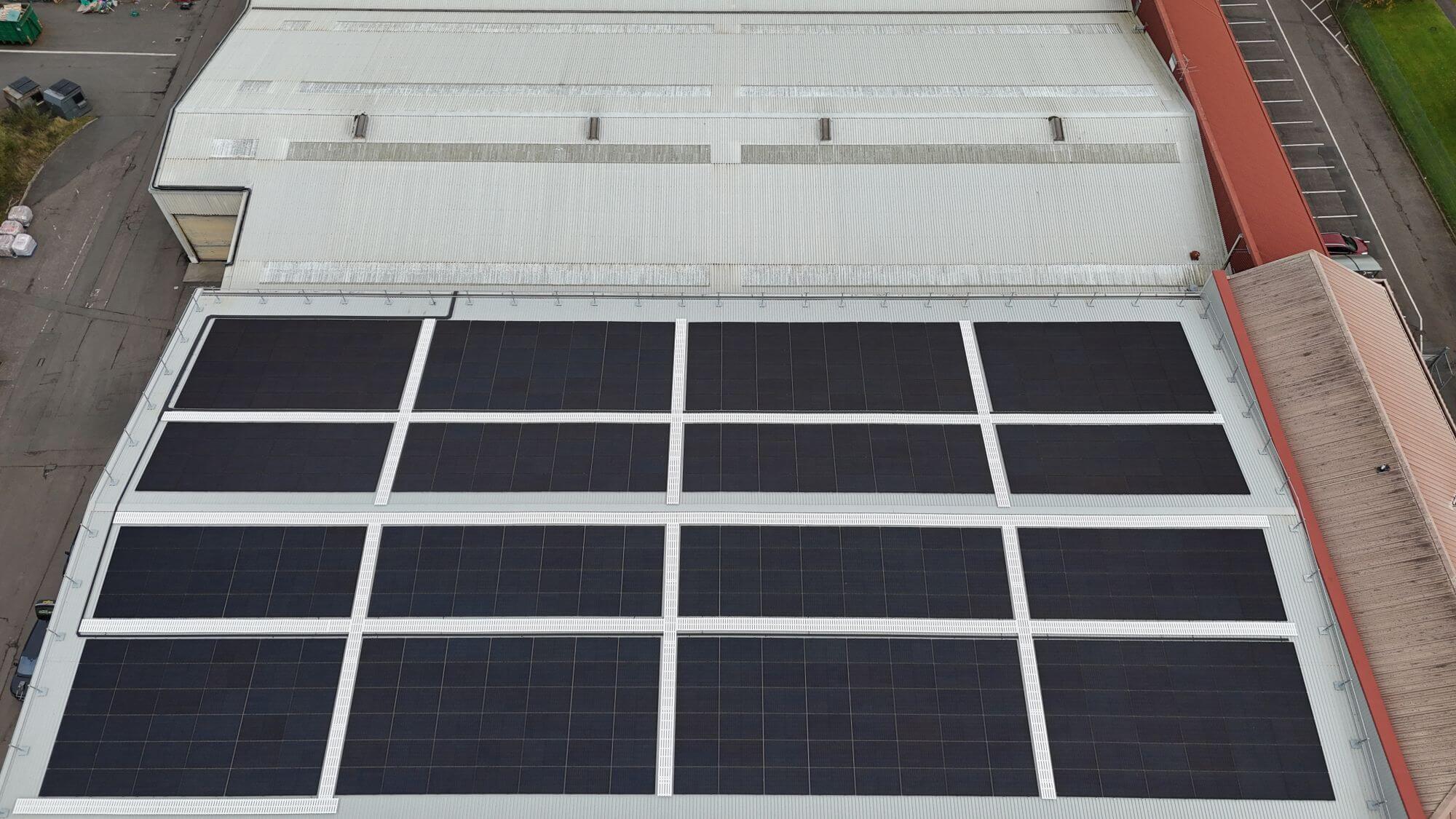
Understanding scope 1 2 3 emissions is the first step toward meaningful climate action. For property owners and developers, solar panels offer a proven, scalable way to reduce emissions across the entire carbon value chain, while improving financial performance. The energy transition isn’t just about compliance, it’s about future-proofing your assets.
Ready to Reduce Your Carbon Emissions? Speak to Low Energy Services today to explore tailored solar solutions and take a decisive step toward net zero.