Reducing carbon emissions is no longer just a corporate responsibility, it’s a strategic priority for property owners, developers, and landlords across the UK. With growing pressure to meet net zero emissions targets, rising energy costs, and increased scrutiny on environmental performance, understanding your emissions and taking meaningful action is essential.
One of the most effective and proven ways to reduce emissions with solar is by addressing your scope 1, 2 and 3 emissions across the entire carbon value chain. Solar energy not only reduces operational emissions but also plays a vital role in long-term carbon management, asset resilience, and financial sustainability.
In this guide, we’ll explain how solar panels can help decarbonise your properties, lower your carbon footprint, and support your transition to a low carbon, future-ready portfolio.

Understanding Carbon Footprint Meaning and Why It Matters
Before exploring how to reduce emissions with solar, it’s important to understand carbon footprint meaning.
A carbon footprint measures the total carbon emissions produced directly and indirectly by an activity, building, or organisation. This includes emissions from:
- Energy consumption
- Fuel combustion
- Electricity use
- Construction materials
- Supply chains and services
For property stakeholders, calculating and managing emissions is central to energy sustainability, regulatory compliance, and long-term value.
The first step toward carbon reduction is to calculate your carbon footprint accurately.
What Are Scope 1, 2, & 3 Emissions?
The GHG Protocol categorises emissions into three scopes to support consistent carbon accounting:
Scope 1 Emissions – Direct Emissions
These are emissions from sources you own or control.
Examples:
- Gas boilers and heating systems
- On-site fuel use
- Company-owned vehicles
- Backup generators
Scope 2 Emissions – Indirect Energy Emissions
These emissions come from the electricity, heat, or steam you purchase.
Examples:
- Grid electricity powering buildings
- Purchased heating or cooling
Scope 3 Carbon Emissions – Value Chain Emissions
These include all other indirect emissions across your supply chain.
Examples:
- Construction materials
- Tenant energy use
- Maintenance contractors
- Waste and end-of-life disposal
For most property portfolios, scope 3 carbon emissions make up the largest share of the total environmental footprint.
Why Solar Is One of the Most Effective Ways to Reduce Emissions?
Installing solar panels is one of the most impactful actions property owners can take to reduce emissions across all three scopes.
Solar energy directly supports:
- Energy transition away from fossil fuels
- Long-term carbon management
- Reduced operational costs
- Progress toward carbon zero
Unlike technologies such as carbon capture and storage, solar prevents emissions at the source.
How Solar Helps Reduce Scope 1 Emissions?
Scope 1 emissions are often driven by on-site fuel combustion. Solar supports reduction by enabling electrification.
Solar’s Impact on Scope 1:
- Reduces reliance on gas-based systems
- Supports heat pumps and electric heating
- Minimises on-site fuel consumption
By pairing solar with modern building systems, property owners can significantly reduce direct emissions and move toward low carbon operations.
How Solar Electricity Cuts Scope 2 Emissions
Scope 2 emissions are where solar delivers immediate and measurable results.
Why Grid Electricity Still Matters:
Even as the UK grid decarbonises, grid electricity still contributes to carbon emissions, especially during peak demand.
Benefits of Solar Electricity:
- Zero emissions at point of use
- Reduced dependency on grid power
- Predictable energy costs
- Improved EPC ratings
By generating solar electricity on-site, buildings can reduce Scope 2 emissions by up to 60–80%, depending on system size and usage.
Power Purchase Agreement (PPA) Solar: Reduce Emissions Without Upfront Cost
A power purchase agreement solar model allows property owners to install solar panels without capital expenditure.
How a Solar PPA Works:
- Solar panels installed at no upfront cost
- You buy the electricity generated at a fixed, lower rate
- Immediate reduction in Scope 2 emissions
- Long-term price certainty
This model is ideal for landlords and developers managing large or multi-site portfolios.
Reducing Scope 3 Carbon Emissions With Solar
Scope 3 emissions are complex but unavoidable in net zero strategies.
How Solar Impacts Scope 3:
- Reduces tenant energy-related emissions
- Improves sustainability of supplied electricity
- Strengthens ESG and investor reporting
- Lowers emissions embedded in long-term energy supply
Solar also enhances your standing with lenders, occupiers, and regulators increasingly focused on energy sustainability.
Solar and Net Zero Emissions Targets
Achieving net zero requires addressing all scopes, not just operational emissions.
Solar plays a critical role in:
- Net zero emissions roadmaps
- Science-based targets
- ESG compliance
- Future regulatory readiness
For property assets, solar installation is no longer a “nice to have”—it’s a strategic necessity.
Why Renewable Energy Companies Like Low Energy Services Matter?
Partnering with experienced renewable energy companies ensures your solar investment delivers real results.
Why Choose Low Energy Services:
- Solar panel installations across Scotland, England & Wales
- Expertise in commercial and residential projects
- Flexible financing including PPA solar
- End-to-end project delivery
- Focus on decarbonising the full carbon value chain
Low Energy Services helps property owners move from ambition to action.
How to Reduce Carbon Footprint With Solar: A Practical Path
If your goal is to reduce carbon footprint and future-proof your property:
- Calculate your carbon footprint
- Identify Scope 1, 2, and 3 emissions
- Implement solar solutions
- Transition to solar electricity
- Track progress through carbon accounting
This approach supports long-term energy transition and measurable carbon reduction.
Solar vs Carbon Capture and Storage: Prevention Over Cure
While carbon capture and storage addresses emissions after they’re produced, solar prevents them entirely.
Why Solar Is More Effective for Property Owners:
- Lower complexity
- Immediate impact
- Proven technology
- Scalable across portfolios
For buildings, prevention is always more efficient than mitigation.
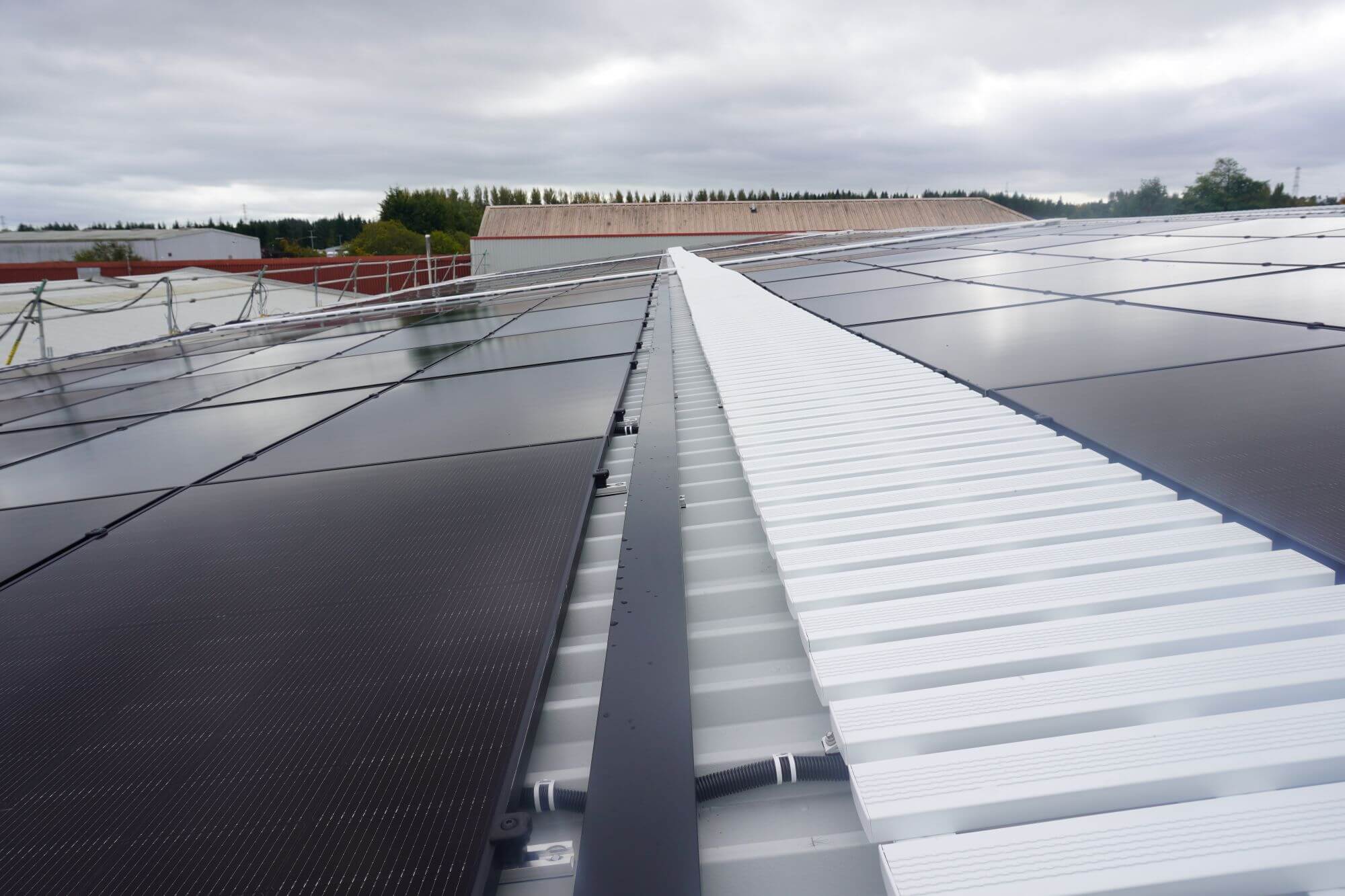
Final Thoughts: Reduce Emissions With Solar Today
Understanding scope 1 2 3 emissions is the foundation of meaningful climate action. Installing solar panels allows property owners to reduce emissions at every level, while improving energy resilience and financial performance. The transition to carbon zero starts with decisions you can make today.
Ready to Reduce Emissions With Solar? Contact Low Energy Services to explore tailored solar solutions and start decarbonising your properties across Scotland, England, and Wales.