Is Solar Right for Your Building?
A Carbon Reduction Checklist for Property Owners and Developers
Reducing carbon emissions has become a strategic priority for property owners, developers, and landlords across the UK. With rising energy costs, tightening regulations, and growing pressure to achieve net zero emissions, many are asking the same question:
Is solar right for my building, and will it really help reduce emissions?
This carbon reduction checklist will help you evaluate whether installing solar panels is the right solution for your property and how it can help you reduce emissions with solar while supporting long-term energy sustainability.
Why Solar is Central to Carbon Reduction?
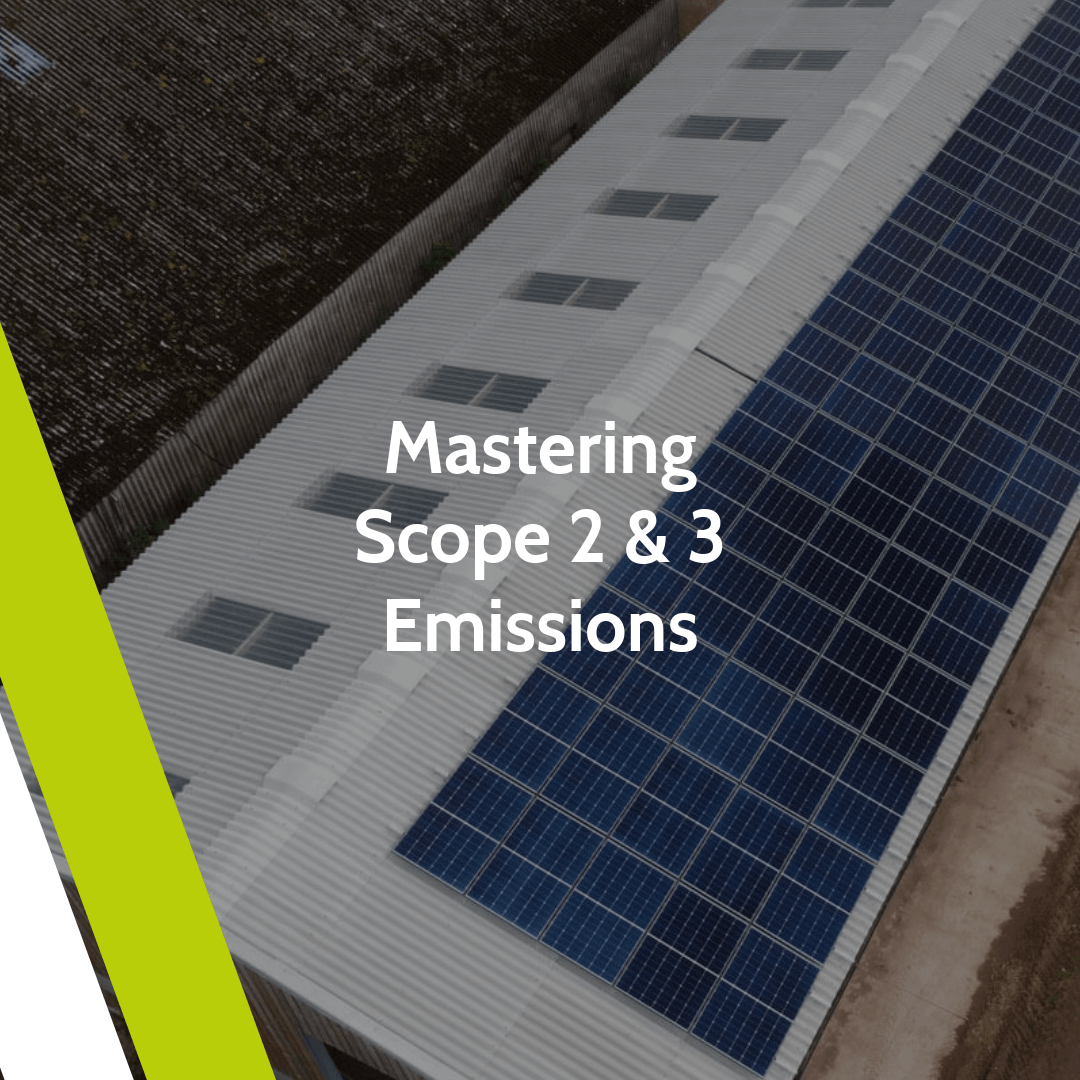
Solar energy is one of the most effective tools available to decarbonise buildings. Unlike fossil fuels, solar electricity produces power without ongoing carbon emissions, making it a cornerstone of the UK’s energy transition.
While there are carbon emissions from solar panel production, the solar energy carbon footprint is significantly lower than grid electricity over its lifetime. In most cases, the carbon footprint of solar panels is offset within just a few years of operation.
Carbon Footprint Meaning: Why It Matters for Buildings?
Your carbon footprint represents the total greenhouse gas emissions associated with your building’s operations, energy use, and supply chain.
To reduce carbon effectively, you must:
- Understand carbon footprint meaning
- Calculate your carbon footprint
- Identify emissions across scope 1, 2 and 3 emissions
Solar panels directly reduce emissions across multiple scopes, making them one of the fastest paths to meaningful carbon reduction.
Carbon Reduction Checklist: Is Solar Right for Your Building?
Do You Have High Electricity Demand?
Buildings with consistent energy usage benefit most from solar electricity, including:
- Commercial offices
- Warehouses and industrial units
- Residential blocks and mixed-use developments
High demand increases self-consumption, maximising both cost savings and carbon reduction.
Are You Looking to Reduce Scope 2 Emissions?
Scope 2 emissions come from purchased electricity. Installing solar panels allows you to generate clean power on-site, significantly reducing:
- Grid dependency
- Indirect carbon emissions
- Energy price exposure
Solar is one of the most effective ways to reduce scope 2 emissions quickly.
Do You Need to Address Scope 3 Carbon Emissions?
For landlords and developers, scope 3 carbon emissions often come from tenant energy use.
By installing solar panels:
- Tenants consume lower-carbon electricity
- Portfolio-wide emissions decrease
- ESG and carbon accounting improve
This is critical for organisations managing multiple assets.
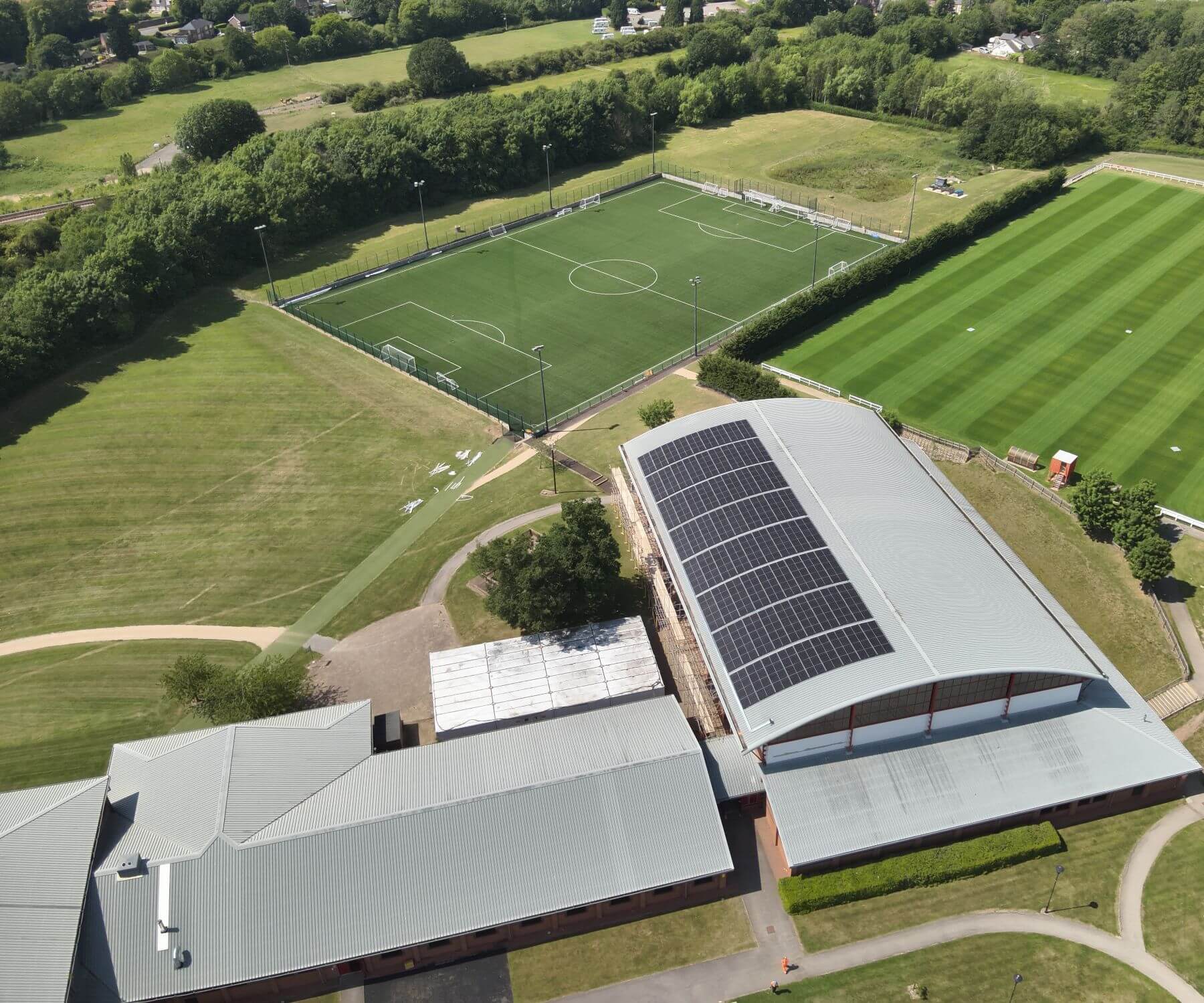
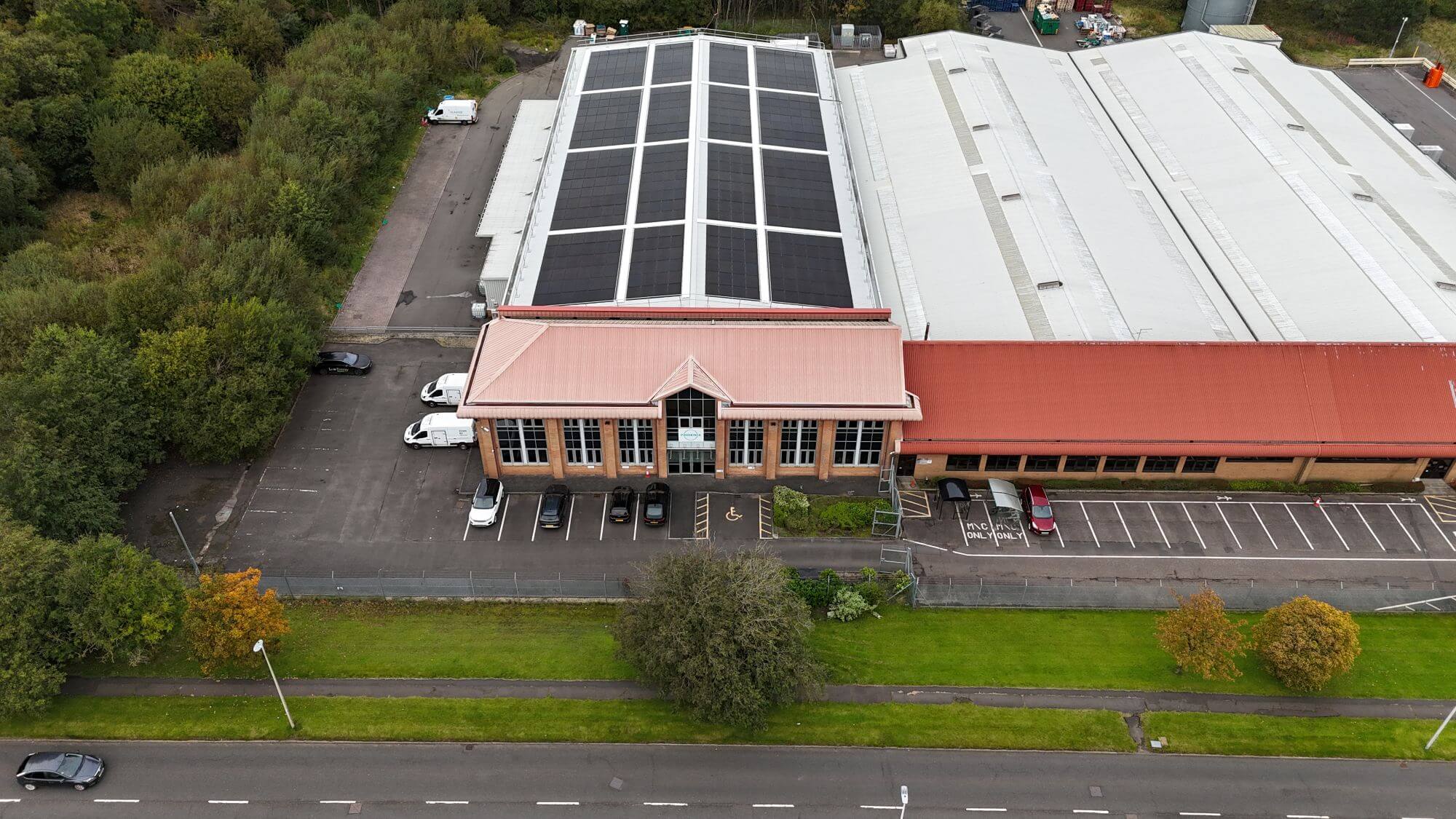
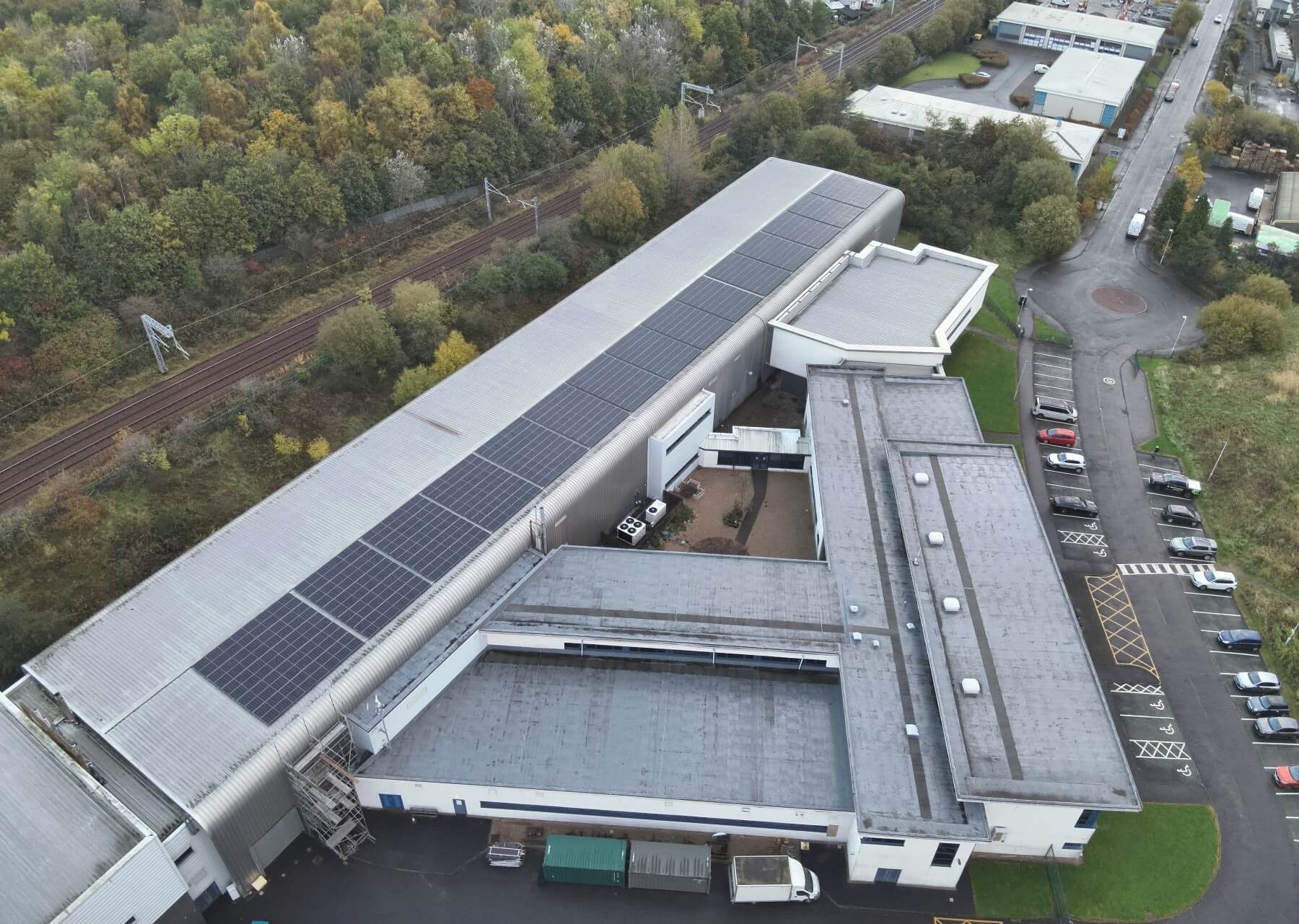
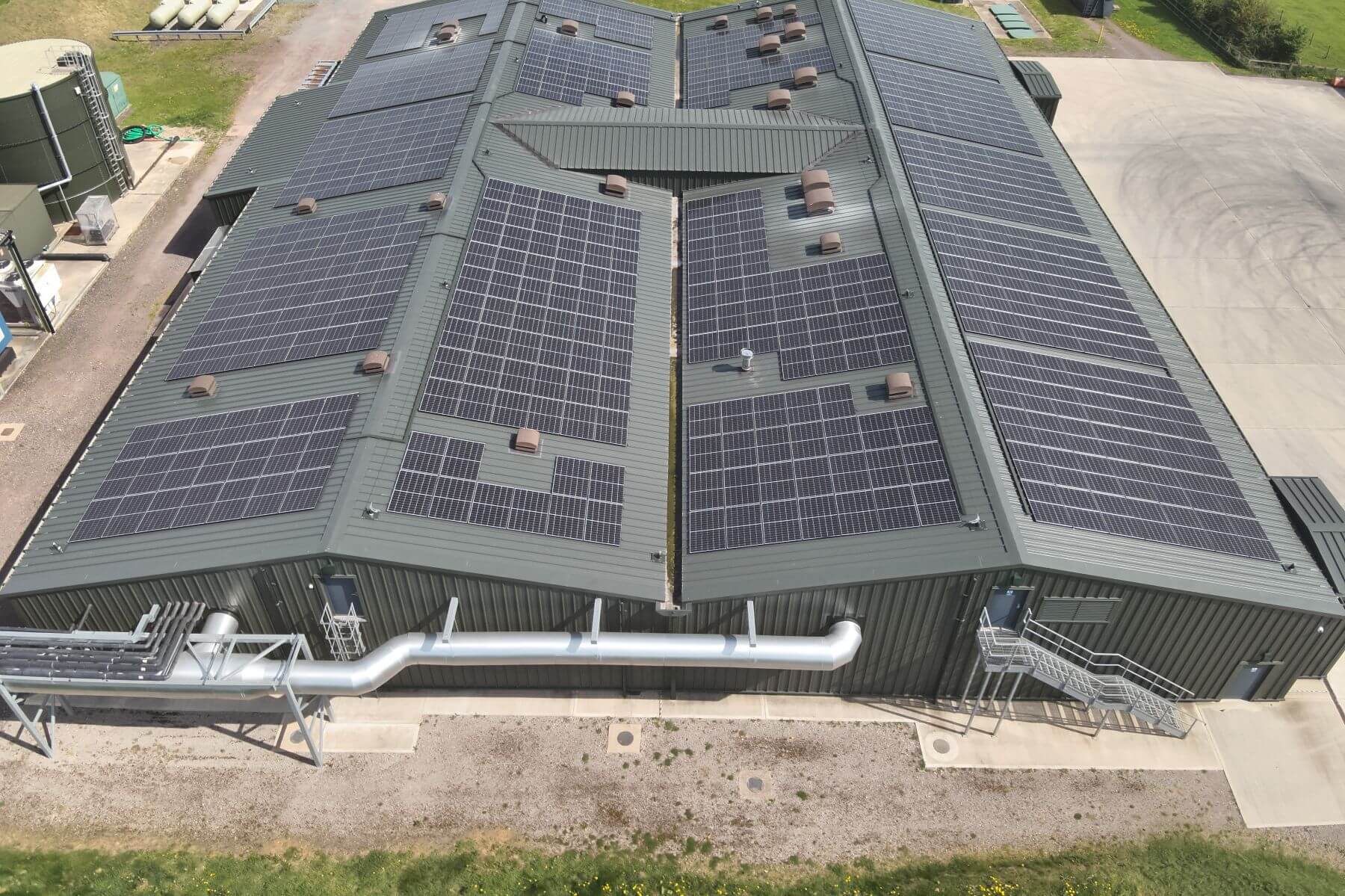
Does Your Building Have Suitable Roof Space?
Most buildings with:
- Unshaded roofs
- Structural integrity
- Suitable orientation
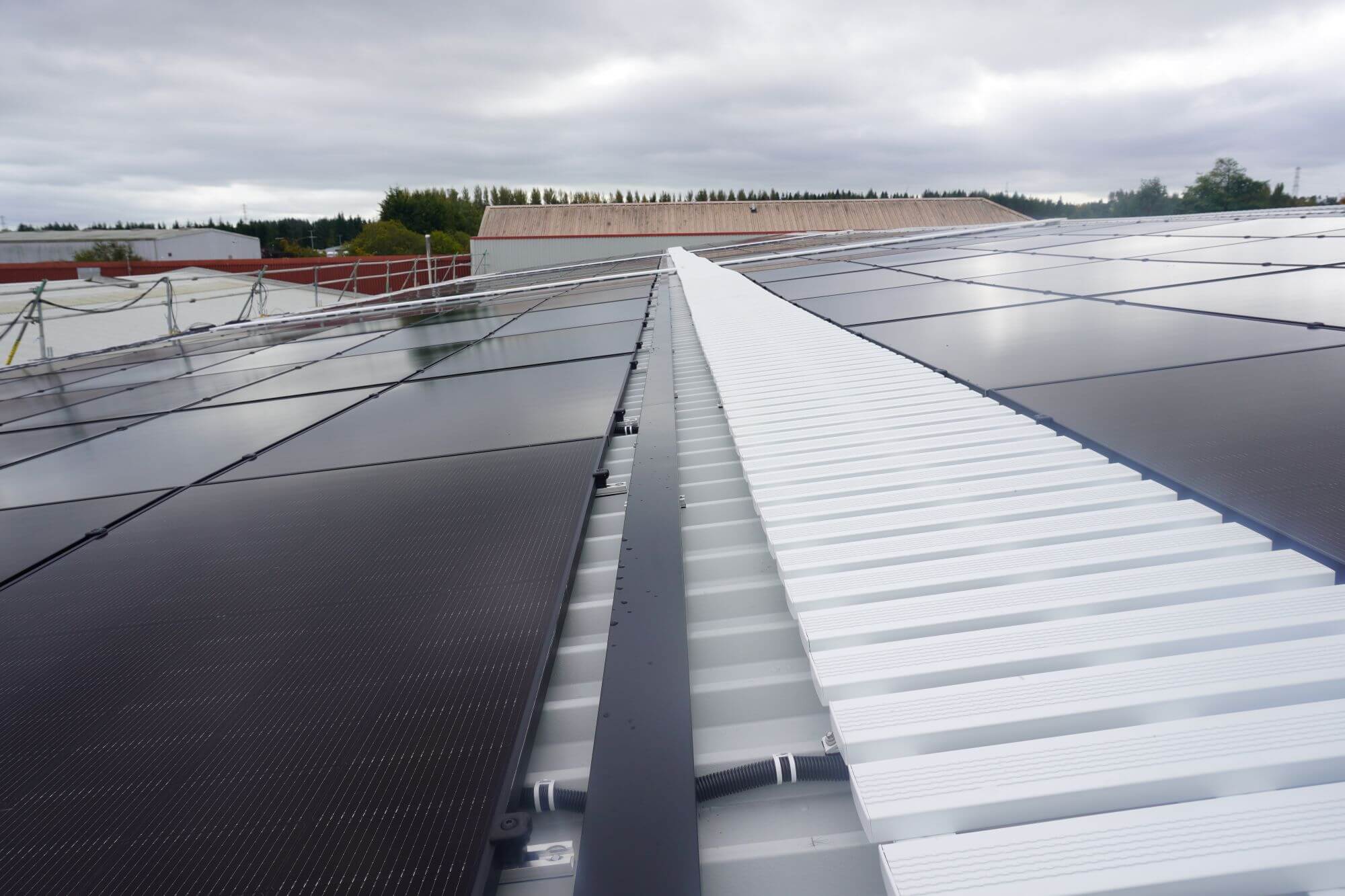
are viable for solar installations. Even north-facing or constrained roofs can often support modern solar solutions.
Are You Working Toward Net Zero?
Solar energy supports:
- Net zero strategies
- Carbon zero pathways
- Long-term carbon management goals
It is often the first and most impactful step toward full decarbonisation.
Are Upfront Costs a Concern?
A power purchase agreement solar option allows you to:
- Install solar panels with no capital outlay
- Pay only for the solar electricity you use
- Reduce emissions immediately
This model is ideal for asset owners seeking low-risk decarbonisation.
Solar vs Carbon Capture and Storage
While carbon capture and storage technologies aim to remove emissions after they are produced, solar prevents emissions entirely.
Solar panels:
- Eliminate operational carbon emissions
- Reduce environmental footprint
- Deliver immediate carbon reduction
For buildings, prevention is more cost-effective than capture.
How Renewable Energy Companies Support Decarbonisation?
Not all renewable energy companies offer the same expertise. A trusted solar partner ensures:
- Accurate carbon modelling
- High-efficiency solar panels
- Long-term performance and compliance
Lowenergy Services delivers tailored solar installations across Scotland, England, and Wales, helping property owners decarbonise with confidence.
Final Checklist: Should You Install Solar?
- You want to reduce carbon footprint
- You aim to meet net zero emissions targets
- You need lower, more predictable energy costs
- You want to improve asset value and ESG credentials
If you ticked most of these boxes, solar is likely the right solution.
Ready to Reduce Emissions with Solar? Speak to Lowenergy Services today for a solar assessment and carbon reduction strategy tailored to your building.
 Renewable Energy Specialists