How to Invest in Solar Energy Projects That Promote Decarbonisation

Investing in solar energy can be a practical way for property owners, landlords and developers to support decarbonisation while potentially reducing long-term energy costs. From rooftop solar on commercial buildings to larger solar developments, there are several ways to approach decarbonisation and solar investment.

The UK is continuing to expand its solar capacity as part of its wider transition towards a lower-carbon energy system. The UK Government’s Solar Roadmap sets out plans to significantly increase solar deployment, with particular emphasis on rooftops and other suitable locations.

For property owners, the question is therefore not simply whether solar can reduce carbon emissions, but how to invest in the right solar project for the property, energy requirements and long-term objectives.

What does decarbonisation and solar investment mean?

Decarbonisation and solar investment refers to putting capital into solar photovoltaic (PV) systems or solar energy projects that can contribute to reducing greenhouse gas emissions associated with energy use.

For a property owner, this could mean installing solar panels on:

  • Commercial buildings
  • Industrial units
  • Warehouses
  • Offices
  • Retail properties
  • Agricultural buildings
  • Residential developments
  • New-build properties

Solar panels generate electricity from sunlight, allowing a property to produce some of its electricity on-site rather than purchasing all of its power from the grid.

The environmental benefit depends on factors such as the electricity displaced, system performance, equipment lifespan and how the property’s electricity is consumed.

For businesses and landlords, solar can therefore form part of a broader decarbonisation strategy, alongside energy efficiency, electrification, battery storage and other measures.
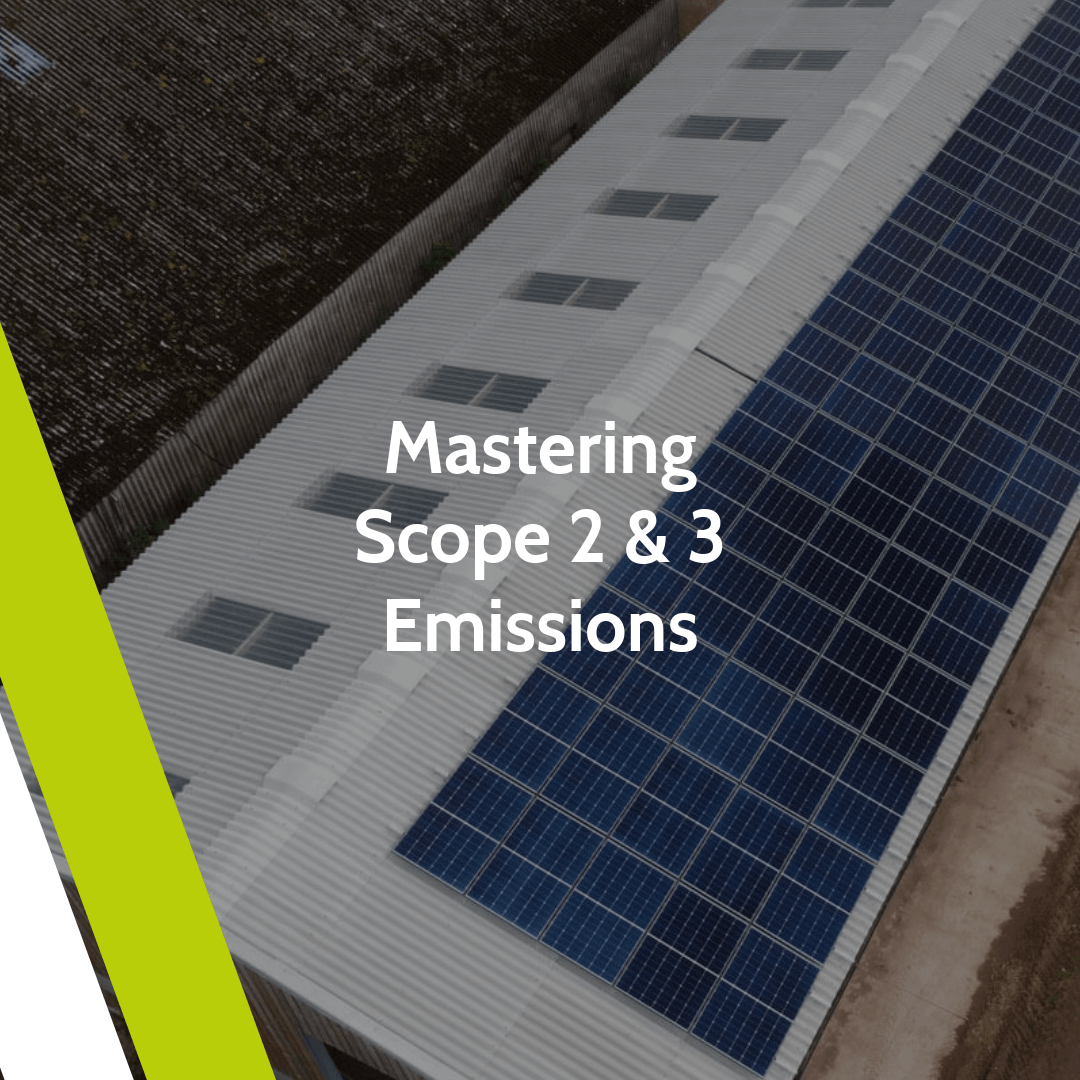
Mastering Scope 2 & 3 Emissions

Why invest in solar as part of a decarbonisation strategy?

Solar investment can provide both environmental and operational benefits.

Reduce reliance on grid electricity

Generating electricity on-site can reduce the amount of electricity a property needs to purchase from the grid.

The impact will depend on the property’s energy consumption, solar generation profile and how much generated electricity is used on-site.

Support carbon reduction goals

Renewable electricity generation can contribute to an organisation’s wider carbon reduction programme.

This can be particularly relevant for businesses with sustainability targets, ESG objectives or emissions reporting requirements.

Potentially reduce energy costs

Solar electricity can offset some electricity purchases. The financial outcome depends on factors including installation cost, electricity prices, system performance, financing and the proportion of generation consumed on-site.

Improve long-term energy resilience

Generating electricity on-site can reduce exposure to changes in electricity prices. Adding battery storage may allow some excess solar generation to be stored and used later, depending on the system design.

How can you invest in solar energy projects?

There is no single route to solar investment. The right approach depends on whether you own the property, develop it, lease it or are investing in a separate renewable energy project.

Install solar on your own property

For many property owners, the most straightforward form of solar investment is installing a PV system on an existing building.

You fund the installation and own the system, allowing you to benefit from the electricity it generates.

Before investing, assess:

  • Current electricity consumption
  • Roof size and condition
  • Roof orientation
  • Shading
  • Expected solar generation
  • On-site electricity demand
  • Battery storage requirements
  • Installation and maintenance costs
  • Potential financing options

A professional solar survey can help establish whether the property is suitable and what system size could be appropriate.

Use solar on a development project

Developers can incorporate solar into new-build residential, commercial and mixed-use projects from the design stage.

Planning solar early can make it easier to consider roof orientation, panel placement, electrical infrastructure, battery storage and future energy requirements.

The UK’s Solar Roadmap identifies new-build and rooftop solar as important areas for increasing deployment.

For developers, solar can also form part of a wider strategy covering energy efficiency, building performance and lower operational emissions.

Explore commercial solar investment

Businesses with large buildings or consistent daytime electricity consumption may have opportunities to use substantial amounts of solar generation directly.

For example, warehouses, factories and commercial premises can potentially use rooftop solar to offset electricity consumption during operating hours.

The financial case should be based on the property’s actual energy profile rather than simply the maximum number of panels that can fit on a roof.

Consider a solar PPA

A Power Purchase Agreement (PPA) can provide another route where an organisation wants solar without necessarily funding the entire installation upfront.

Depending on the arrangement, a third party can fund and own the solar system while the property owner purchases the electricity generated under an agreed contract.

PPAs can therefore be relevant to organisations looking at solar project financing, particularly where preserving capital is important.

However, contract length, electricity pricing, ownership, maintenance, termination provisions and other terms should be assessed carefully.

What should you consider before investing in solar?

A successful decarbonisation and solar investment strategy starts with due diligence.

Assess the property’s energy demand

Review electricity bills and consumption patterns before designing the system.

A property that consumes significant electricity during daylight hours may have greater opportunity to use its solar generation directly.

Evaluate the site

A solar installer should assess the roof structure, orientation, shading, available space and electrical infrastructure.

For ground-mounted or larger projects, planning, grid connection and land considerations may also become important.

Calculate the financial case

Consider the complete investment rather than focusing only on the installation price.

Your assessment could include:

Installation cost + finance costs + maintenance − electricity savings − export income = overall project economics

Actual returns will vary between properties and should be based on project-specific modelling.

Consider battery storage

Solar panels generate electricity when there is sunlight, while a property’s highest electricity demand may occur at other times.

Battery storage can potentially increase the proportion of solar electricity used on-site by storing surplus generation for later use.

Whether a battery makes financial sense depends on the property’s consumption profile, tariff structure, system size and other factors.

Think about the long-term ownership period

Solar is a long-term infrastructure investment. Property owners and developers should consider how long they expect to own the building and what happens to the solar system if the property is sold, leased or refinanced.

Can solar investment contribute to ESG and sustainability goals?

Yes, solar can form part of a broader ESG or sustainability strategy, particularly under the environmental component.

For example, organisations can monitor:

  • Solar electricity generated
  • Electricity consumed on-site
  • Grid electricity purchased
  • Renewable energy contribution
  • Changes in energy consumption
  • Carbon emissions associated with electricity use

However, installing solar does not automatically make a business “net zero” or guarantee a particular emissions reduction.

Businesses should use appropriate emissions-accounting methodologies and clearly document how solar generation is treated within their reporting framework.

This distinction is important when using solar investment to support ESG reporting and decarbonisation.

What financing options are available for solar investment?

Property owners do not necessarily have to fund the entire solar project from cash reserves.

Depending on eligibility, project size and provider, potential options can include:

  • Outright capital purchase
  • Asset finance
  • Hire purchase
  • Solar leasing
  • Power Purchase Agreements
  • Grants or other support schemes

The UK continues to develop investment opportunities across clean energy, while government investment material identifies clean energy deployment as an area requiring significant private capital.

Funding availability can change, so businesses should check current schemes and obtain project-specific financial advice before relying on grants or incentives.

How to make solar investment more effective for decarbonisation

Installing the largest possible solar system is not necessarily the same as achieving the most effective decarbonisation outcome.

Instead, consider solar as one part of a wider energy strategy.

A property could combine:

Energy efficiency | solar PV | battery storage | electrification | energy monitoring

Improving energy efficiency first can reduce overall electricity demand. Solar can then provide renewable generation, while battery storage may help manage when that electricity is consumed.

For larger commercial properties, this integrated approach can provide a clearer picture of both the environmental and financial impact of the investment.

Frequently Asked Questions

  1. Is solar a good investment for decarbonisation?
    Solar can contribute to decarbonisation by generating renewable electricity on-site and potentially reducing reliance on grid electricity. The environmental and financial impact depends on the specific project.
  2. How can property owners invest in solar energy?
    Property owners can purchase and install solar panels directly or explore options such as asset finance, leasing and PPAs, depending on eligibility and project requirements.
  3. Can landlords install solar panels on rental properties?
    Landlords can consider solar installations for suitable properties, but they should assess ownership, lease arrangements, tenant electricity use and the financial structure before proceeding.
  4. Can solar panels reduce a property’s carbon emissions?
    Solar can reduce emissions associated with purchased electricity by generating electricity on-site. The actual reduction depends on the property’s energy use, solar generation and applicable emissions-accounting methodology.
  5. Can solar investment support ESG reporting?
    Solar generation data can contribute to environmental reporting and a wider ESG strategy. Organisations should follow the relevant reporting and emissions-accounting requirements for their circumstances.

Start your solar investment journey

Solar can be more than an installation on a roof. For property owners, developers and landlords, it can form part of a long-term approach to decarbonisation, energy management and renewable energy investment.

The UK Government’s current Solar Roadmap aims to accelerate solar deployment, while recent government investment materials highlight the scale of capital required to support the UK’s transition to a net-zero economy.

The first step is understanding what your property can realistically support.

Low Energy Services supplies and installs solar panels across Scotland, England and Wales. Our team can assess your property, energy requirements and potential solar solution to help you understand the next steps.

Thinking about investing in solar? Contact Low Energy Services for a solar assessment and explore how renewable energy could support your property’s decarbonisation strategy.

FINANCE OPTIONS