How Do Solar Panels Impact a Company’s Scope 2 Emissions?

Sustainability has become a key priority for businesses across Scotland, England, and Wales. Investors, customers, regulators, and supply chain partners increasingly expect organisations to measure, manage, and reduce their carbon emissions. One of the most effective ways to achieve this is by investing in commercial solar energy.

Understanding Scope 2 emissions is an essential part of any carbon reduction strategy. Since these emissions come from purchased electricity, businesses can significantly lower their carbon footprint by generating renewable electricity on-site through solar panels.

For property owners, developers, landlords, and organisations considering ground-mounted or rooftop commercial solar, installing photovoltaic (PV) systems offers environmental and financial benefits while supporting ESG objectives.

In this guide, we’ll explain what Scope 2 emissions are, how solar panels help reduce them, and why commercial solar is becoming an important investment for forward-thinking businesses.
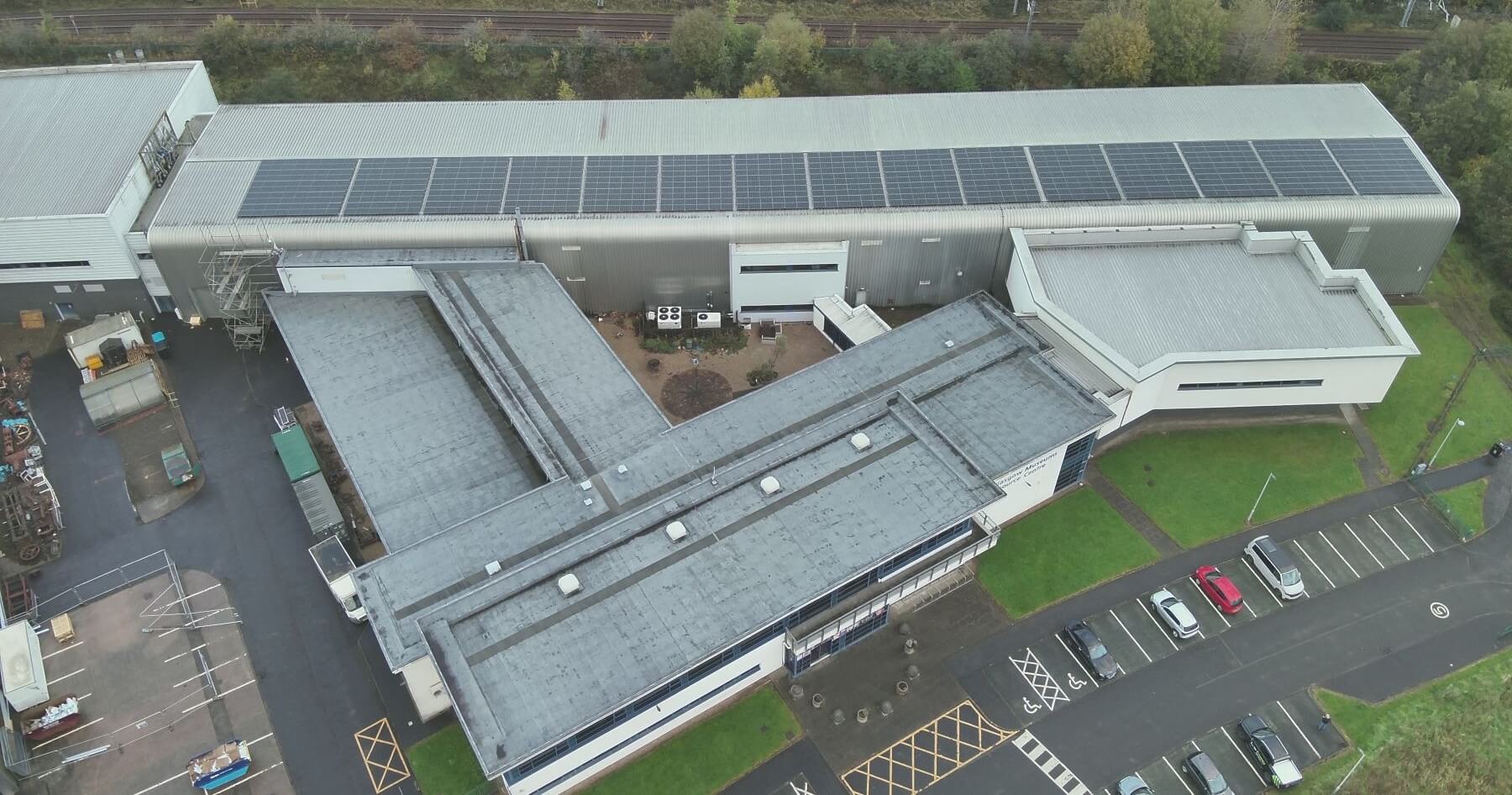
Solar Installation for Glasgow Museum

What Are Scope 2 Emissions?

Scope 2 emissions are the indirect greenhouse gas emissions generated from the electricity, heating, cooling, or steam a business purchases and consumes.

Unlike Scope 1 emissions, which come directly from company-owned equipment and vehicles, Scope 2 emissions originate from energy produced elsewhere, such as electricity generated by the National Grid.

For many commercial buildings, purchased electricity represents one of the largest sources of operational carbon emissions.

This makes reducing Scope 2 emissions a major priority for organisations working towards:

  • Net Zero targets
  • ESG reporting
  • Carbon reduction commitments
  • Corporate sustainability strategies

Why Are Scope 2 Emissions Important?

Many businesses now report emissions under internationally recognised frameworks such as the Greenhouse Gas Protocol.

Reducing Scope 2 emissions can help businesses:

  • Improve sustainability reporting
  • Meet investor expectations
  • Strengthen ESG performance
  • Support environmental certifications
  • Enhance corporate reputation
  • Prepare for future regulations

For organisations operating warehouses, manufacturing plants, offices, agricultural facilities, or commercial developments, electricity consumption often represents the easiest area to reduce emissions.

How Solar Panels Reduce Scope 2 Emissions

Installing commercial solar allows businesses to generate renewable electricity on-site rather than purchasing all of their electricity from the grid.

Every unit of electricity generated by your solar system is one less unit that needs to be supplied from conventional power stations.

This directly reduces the carbon emissions associated with purchased electricity.

In practical terms, solar helps businesses:

  • Reduce reliance on grid electricity
  • Lower indirect carbon emissions
  • Increase renewable energy use
  • Improve sustainability performance

The greater the proportion of electricity generated on-site, the larger the reduction in Scope 2 emissions.

Why Commercial Solar Is an Effective Carbon Reduction Strategy

Commercial properties often consume significant amounts of electricity during daylight hours—the same period when solar panels generate the most energy.

This makes commercial solar particularly effective for:

  • Warehouses
  • Manufacturing facilities
  • Distribution centres
  • Agricultural buildings
  • Retail premises
  • Office developments
  • Industrial estates

By matching daytime energy demand with solar generation, businesses can maximise self-consumption while reducing both electricity costs and carbon emissions.

Supporting ESG and Sustainability Goals

Environmental, Social and Governance (ESG) reporting has become increasingly important for businesses of all sizes.

Installing solar panels demonstrates a commitment to:

  • Renewable energy
  • Carbon reduction
  • Sustainable operations
  • Responsible investment

For many organisations, reducing Scope 2 emissions directly supports broader ESG strategies and Net Zero roadmaps.

Solar can also improve the environmental credentials of commercial properties, making them more attractive to tenants, investors, and stakeholders.

Financial Benefits Alongside Carbon Savings

Reducing emissions isn’t the only advantage of commercial solar.

Businesses also benefit from:

  • Lower electricity bills
  • Reduced exposure to rising energy prices
  • Long-term operational savings
  • Improved property value
  • Greater energy independence

Because modern solar systems typically operate for 25–30 years, businesses can enjoy decades of financial savings while reducing their environmental impact.

Which Businesses Benefit Most?

Although almost every commercial property can benefit from solar, the greatest impact is often seen in businesses with:

  • High daytime electricity demand
  • Large roof areas
  • Long-term property ownership
  • Sustainability commitments
  • Rising operational energy costs

Typical sectors include:

  • Manufacturing
  • Warehousing
  • Logistics
  • Agriculture
  • Food production
  • Retail
  • Hospitality
    Healthcare
    Choosing the Right Commercial Solar Partner

The effectiveness of your carbon reduction strategy depends on the quality of your solar installation.

An experienced installer will:

  • Assess your energy usage
  • Design a system tailored to your business
  • Forecast energy generation
  • Estimate carbon savings
  • Optimise return on investment

Working with a trusted commercial solar specialist ensures your system delivers both environmental and financial benefits over the long term.

Why Choose Low Energy Services?

Low Energy Services designs and installs commercial solar systems across Scotland, England, and Wales.

Their experienced team provides:

  • Bespoke commercial solar solutions
  • Roof-mounted and ground-mounted installations
  • Energy assessments
  • Professional system design
  • High-quality installation
  • Ongoing maintenance and support

Whether you’re a property owner, developer, landlord, or industrial business, Low Energy Services can help you reduce Scope 2 emissions while lowering operating costs and improving long-term sustainability.

Frequently Asked Questions

  1. Can solar eliminate Scope 2 emissions?
    Not always. Most businesses still rely on some grid electricity, particularly outside daylight hours. However, solar can significantly reduce Scope 2 emissions by generating renewable electricity on-site.
  2. Does battery storage improve Scope 2 performance?
    Yes. Battery storage allows businesses to store surplus solar electricity generated during the day and use it later, reducing reliance on grid electricity during evenings or periods of low sunlight.
  3. Is commercial solar suitable for existing buildings?
    In most cases, yes. Existing commercial and industrial buildings can often accommodate rooftop systems following a structural assessment.
  4. Will installing solar help achieve Net Zero?
    Solar is one of the most effective measures businesses can take to reduce operational emissions and support broader Net Zero objectives. However, additional measures may also be required depending on your organisation’s emissions profile.
FINANCE OPTIONS