Can I Switch to a Green Tariff With Accreditation Without Paying Extra Fees?

Switching to a greener electricity tariff can seem like an easy way to reduce the environmental impact of your energy use. But there is often one question that comes first: will switching to an accredited green tariff cost more?

The short answer is not necessarily.

Green electricity tariffs are available at different prices, and some accredited options may cost no more than comparable standard tariffs. However, the price of a tariff is only one part of the picture. If you want your switch to make a meaningful environmental difference, you need to look at what the supplier actually means by “green”, what accreditation the tariff has and where the renewable electricity comes from.

For homeowners, landlords and property developers, understanding these differences can also help you make better decisions about wider energy improvements, including installing solar panels.

carbon reduction with solar panels

What is Green Tariff Accreditation?

Green Tariff Accreditation is used to distinguish energy tariffs that meet particular environmental or renewable energy criteria.

One example is the Uswitch Green Tariff Accreditation, which assesses green energy tariffs against criteria relating to renewable energy sourcing, transparency and investment in renewable generation. The scheme uses different levels to help consumers distinguish between tariffs based on their environmental credentials.

It is important, however, not to confuse green tariff accreditation with Renewable Energy Guarantees of Origin (REGOs).

REGOs are certificates administered by Ofgem. They demonstrate that electricity has been generated from eligible renewable sources, with one certificate issued per megawatt-hour of eligible renewable output. Suppliers can use REGOs as evidence for their Fuel Mix Disclosure.

In simple terms:

  • Green tariff accreditation = assessment of the tariff and its environmental credentials.
  • REGO = certificate showing that renewable electricity was generated.

The distinction matters when you’re trying to understand whether a green tariff genuinely aligns with your environmental goals.

Can you switch to a green tariff without paying extra?

Yes, it is possible to switch to a green electricity tariff without paying an additional “green fee”.

However, this doesn’t mean every accredited tariff will be the same price as a standard tariff.

Energy suppliers set their own prices, and the cost of a tariff can depend on wholesale electricity prices, standing charges, unit rates, contract length and other factors.

Some green tariffs may have competitive pricing, while others may cost more because the supplier takes additional steps to source renewable electricity directly or invest in renewable generation.

That’s why it makes sense to compare the overall tariff cost, rather than assuming that choosing a greener option automatically means paying more.

When comparing tariffs, look at:

  • Electricity unit rate
  • Standing charge
  • Fixed or variable pricing
  • Contract length
  • Exit fees
  • Renewable electricity sourcing
  • REGO arrangements
  • Green tariff accreditation
  • Supplier investment in renewable generation

A tariff with a slightly higher unit rate could potentially offer stronger environmental credentials, but you should decide whether that additional cost is worthwhile for your household or business.
Does a green tariff mean your electricity comes directly from renewable energy?

Not physically.

When electricity enters the UK grid, electricity generated from different sources is mixed. The electricity arriving at your property isn’t separately labelled as “solar”, “wind” or “gas” depending on the tariff you choose.

Instead, green tariffs use contractual arrangements and certification systems to demonstrate the renewable credentials of the electricity supplied.

Ofgem’s REGO scheme provides transparency about the proportion of electricity suppliers source from renewable generation. Suppliers use REGOs as part of the evidence behind their Fuel Mix Disclosure.

This is why consumers should look beyond marketing phrases such as “100% renewable” and investigate what actually supports the claim.

Are all green tariffs equally green?

No.

This is one of the most important things to understand before switching.

A tariff can have renewable electricity credentials without necessarily providing the same level of environmental benefit as another green tariff.

For example, a supplier may purchase renewable electricity certificates separately from the physical electricity it purchases. This can allow a tariff to be marketed as renewable, but it doesn’t necessarily mean your choice directly resulted in new renewable generation being built.

This issue has been recognised by UK policymakers and regulators. The government has previously highlighted concerns around transparency and greenwashing in the retail energy market, particularly where consumers may struggle to understand what sits behind renewable energy claims.

This is where independent accreditation can be useful. It gives consumers another way to assess a tariff instead of relying entirely on the supplier’s own marketing claims.

What should you look for in an accredited green tariff?

If you’re looking for a green energy tariff that UK customers can feel confident about, don’t stop at the accreditation badge.

Look for evidence of:

Renewable energy sourcing

Find out whether the supplier buys electricity directly from renewable generators or relies primarily on certificates.

Renewable energy investment

Some suppliers go further by investing in new renewable generation or supporting renewable energy projects.

This can be particularly important if your priority is helping increase renewable capacity rather than simply matching your consumption with certificates.

Transparency

A reputable supplier should explain where its renewable electricity comes from and how its environmental claims are supported.

Independent assessment

Look for recognised third-party accreditation or independent assessments rather than relying solely on claims made by the supplier.

Competitive pricing

Finally, compare the actual tariff price. A green tariff doesn’t automatically have to be expensive.

Can solar panels be a better way to reduce your reliance on grid electricity?

For property owners considering a green tariff, it’s also worth thinking beyond your electricity supplier.

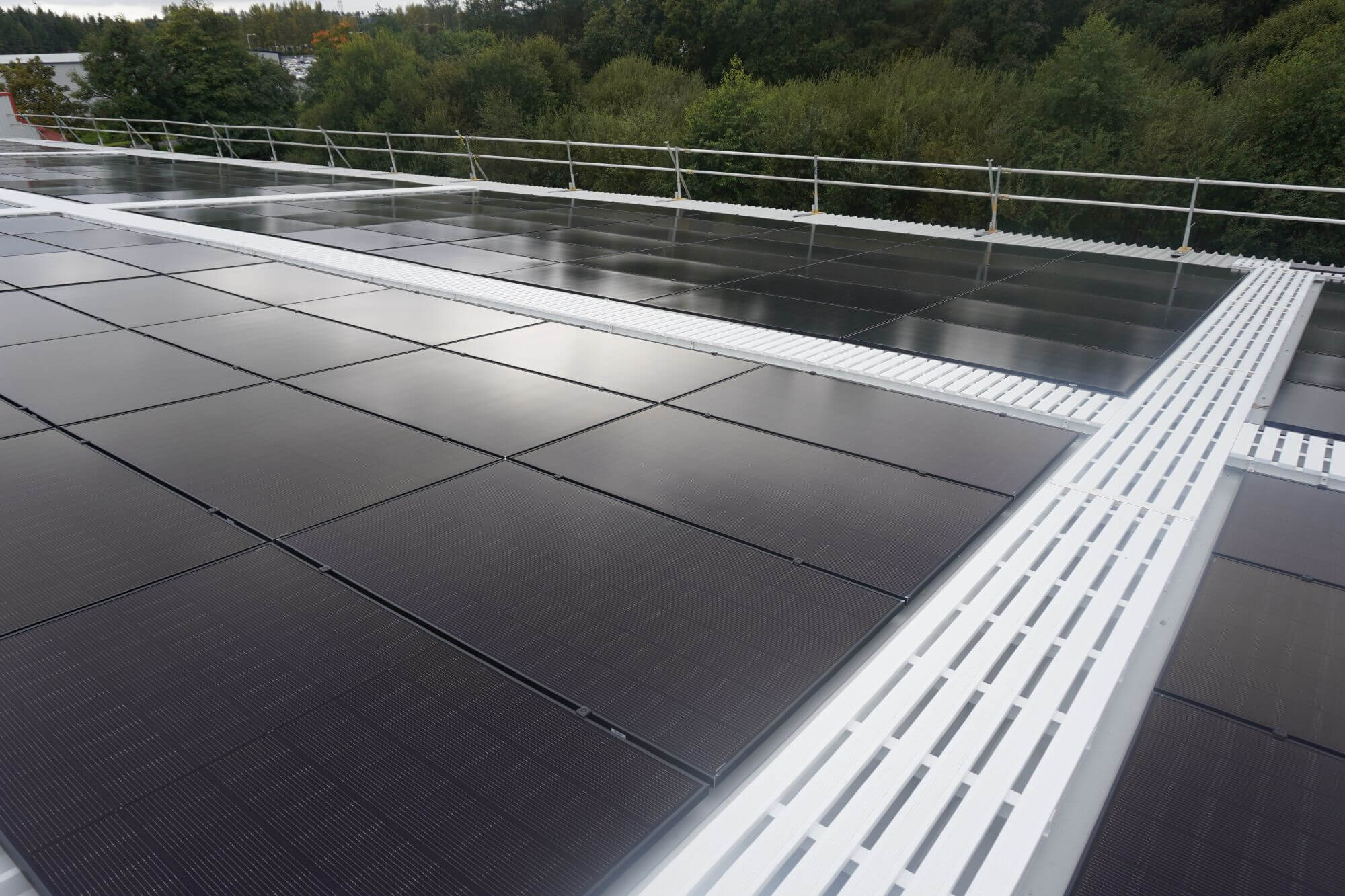
Installing solar panels allows you to generate renewable electricity at your own property.

Instead of purchasing all your electricity from the grid, your solar PV system can generate electricity for use in your home or building. Any surplus may also be exported to the grid, subject to the relevant arrangements and eligibility.

For homeowners, landlords and developers, solar can therefore complement a green electricity tariff.

For example, you could:

  • Generate renewable electricity → use it on-site → export surplus → buy remaining electricity from a green tariff.

This approach can reduce your reliance on grid electricity while giving you greater control over how your property uses energy.

Is switching to a green tariff worth it if you already have solar panels?

It can be.

Solar panels don’t necessarily generate electricity every time your property needs it. Generation varies throughout the day and across the year, while your electricity consumption may continue when your solar system isn’t producing enough.

A green tariff can therefore complement solar PV by providing renewable electricity credentials for the electricity you still need to purchase from the grid.

If you also have battery storage, you may be able to use more of your own solar generation at different times of day, further reducing your reliance on grid electricity.

The best combination will depend on your property’s energy consumption, solar generation potential and budget.

What about green tariffs for landlords and developers?

Landlords and developers should consider green tariffs as part of a wider property energy strategy rather than as a standalone decision.

A greener electricity supply can complement improvements such as:

  • Solar PV
  • Battery storage
  • EV charging
  • Heat pumps
  • Improved insulation
  • Smart energy management

For landlords, energy efficiency and lower running costs can also contribute to the overall attractiveness of a property to prospective tenants.

For developers, incorporating renewable energy into a property’s design from the beginning can help create a more energy-efficient building and potentially reduce the need for expensive retrofits later.

So, can you switch without paying extra?

Yes, you can switch to a green tariff without necessarily paying an additional fee.

But “green” doesn’t automatically mean “better value”, and an accreditation badge doesn’t tell you everything about a tariff.

Before switching, compare the actual unit rates and standing charges, then investigate the tariff’s renewable sourcing, accreditation, REGO arrangements and investment in renewable generation.

Most importantly, consider the bigger picture.

If you’re looking to reduce your property’s reliance on fossil-fuel-generated electricity, switching tariffs is only one option. Generating your own renewable electricity with solar panels can take that step further.

Make your property more energy-independent with solar

At Low Energy Services, we help homeowners, landlords, developers and businesses across Scotland, England and Wales explore the potential of solar PV.

Whether you’re considering solar for the first time or looking at how solar could complement a green electricity tariff, we can help you understand what could work for your property.

Ready to explore your solar options? Get in touch with Low Energy Services to discuss your property and find out how solar could help reduce your reliance on grid electricity.

FINANCE OPTIONS