What Are the Financial Incentives for Businesses Installing Solar Panels in the UK?

With energy costs remaining a major concern for businesses across the UK, more property owners, developers, and landlords are investing in commercial solar energy to reduce overheads and improve long-term financial performance. Beyond lowering electricity bills, there are several financial incentives and tax benefits that make solar an even more attractive investment.

Working with experienced commercial solar installers can help your business take full advantage of these opportunities while ensuring your system is designed for maximum efficiency and return on investment.

In this guide, we’ll explore the key financial incentives available for businesses installing solar panels in the UK, how they can improve your ROI, and why now is an excellent time to invest.

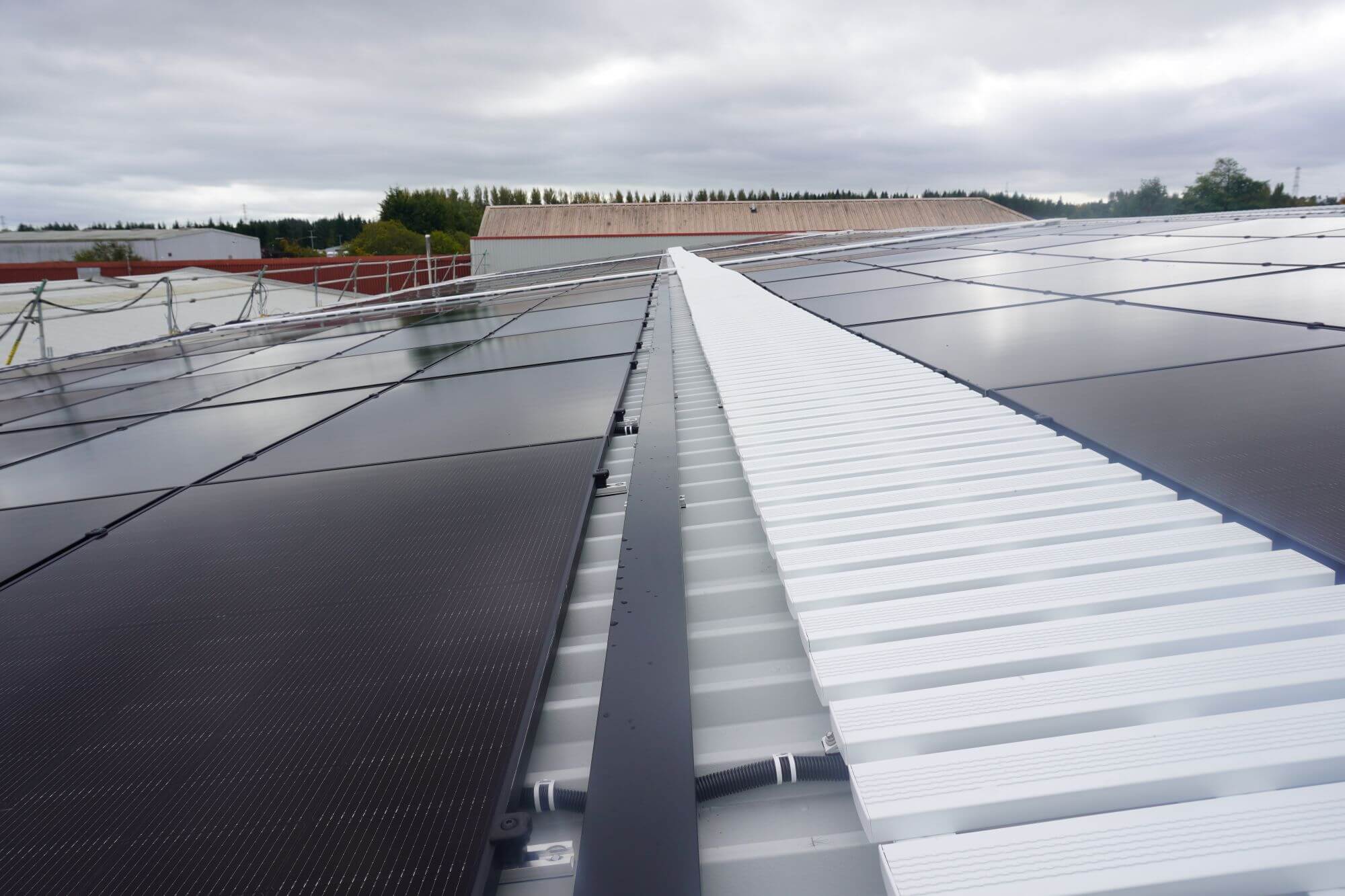
A quality installation of solar panels designed for easy maintenance

Why Businesses Are Choosing Commercial Solar

Commercial solar has become one of the most cost-effective ways for businesses to manage rising energy costs while meeting sustainability goals.

Installing commercial solar panels offers benefits such as:

  • Lower electricity bills
  • Reduced exposure to volatile energy prices
  • Improved environmental performance
  • Increased property value
  • Long-term operational savings
  • Enhanced ESG credentials

For businesses with warehouses, offices, factories, agricultural buildings, or retail premises, solar provides a practical way to generate renewable electricity on-site.

What Financial Incentives Are Available?

Although government support has evolved over the years, businesses still have access to several valuable financial incentives that improve the affordability of commercial solar installations.

Capital Allowances

One of the biggest financial advantages for businesses investing in solar is the ability to claim capital allowances on qualifying equipment.

Depending on the prevailing tax rules and your business circumstances, eligible expenditure on solar installations may be deducted against taxable profits, reducing your corporation tax liability.

Because tax legislation can change, it’s important to seek advice from your accountant or tax adviser before making investment decisions.

For many businesses, this significantly improves the overall return on investment.

Reduced Electricity Costs

The most valuable financial incentive isn’t a grant; it’s the long-term reduction in electricity bills.

Businesses that install solar panels for business often reduce their energy costs by:

30–50% for moderate energy users
Up to 80% for businesses with high daytime electricity consumption

Manufacturing facilities, warehouses, farms, logistics centres, and commercial properties often see the greatest savings.

Over a system lifespan of 25–30 years, these savings can substantially exceed the original installation cost.

Smart Export Guarantee (SEG)

If your commercial solar system generates more electricity than your business uses, you may be able to export surplus electricity to the grid.

Through the Smart Export Guarantee (SEG), participating electricity suppliers pay eligible generators for exported renewable electricity.

While export payments shouldn’t be viewed as the primary reason to install solar, they can provide an additional revenue stream that improves overall project economics.

Eligibility requirements vary depending on your installation and electricity supplier.

Protection Against Rising Energy Prices

Electricity prices have become increasingly unpredictable in recent years.

Installing commercial solar panels allows businesses to generate a significant proportion of their own electricity, reducing dependence on future energy price increases.

For businesses with stable daytime energy demand, this provides valuable cost certainty and long-term financial planning benefits.

Improved Return on Investment

Commercial solar is one of the few investments that continues generating financial returns long after it has been installed.

Most businesses recover their investment within approximately:

4–7 years for well-designed systems
Even sooner for energy-intensive operations

With solar panels often continuing to perform for more than 25 years, businesses can benefit from decades of lower operating costs.

Increased Commercial Property Value

Commercial buildings equipped with solar energy systems are becoming increasingly attractive to:

  • Investors
  • Landlords
  • Occupiers
  • Commercial tenants

Solar installations can reduce operating costs while supporting sustainability objectives, making properties more competitive within the commercial property market.

For developers, installing commercial solar panels can enhance both marketability and long-term asset value.
Why Choosing the Right Commercial Solar Installers Matters

Maximising financial incentives isn’t simply about installing solar panels; it requires careful planning and professional system design.

Experienced commercial solar installers will:

  • Analyse your energy consumption
  • Assess your building’s suitability
  • Recommend the optimal system size
  • Maximise self-consumption
  • Help improve long-term ROI

Working with reputable installers also helps avoid costly design errors that could reduce system performance.

Which Businesses Benefit the Most?

Commercial solar is suitable for a wide range of sectors, including:

  • Warehouses
  • Manufacturing facilities
  • Distribution centres
  • Agricultural buildings
  • Retail parks
  • Hotels
  • Office buildings
  • Industrial estates

Businesses that consume most of their electricity during daylight hours generally achieve the strongest financial returns.

Roof-Mounted vs Ground-Mounted Commercial Solar

Many businesses have a choice between roof-mounted and ground-mounted systems.

Roof-Mounted Systems

Roof-mounted solar is ideal when:

  • Large commercial roofs are available
  • Existing buildings have minimal shading
  • Businesses want to maximise unused roof space

This option avoids using valuable operational land while delivering excellent long-term savings.

Ground-Mounted Systems

Ground-mounted systems may be more suitable for:

  • Large industrial estates
  • Agricultural land
  • Business parks
  • Commercial developments with surplus land

These systems can provide greater generation capacity where roof space is limited.

How Much Does Commercial Solar Cost?

The cost of a commercial solar system depends on several factors, including:

  • System size
  • Energy requirements
  • Roof or land conditions
  • Equipment specification
  • Installation complexity

Rather than focusing solely on upfront costs, businesses should consider:

  • Lifetime electricity savings
  • Maintenance costs
  • Export income
  • Tax efficiencies
  • Property value improvements

A professional assessment provides the most accurate estimate of project costs and expected returns.

Why Choose Low Energy Services?

Low Energy Services provides expert commercial solar installation services throughout Scotland, England, and Wales.

Their experienced team supports businesses with:

  • Bespoke system design
  • Commercial roof assessments
  • Ground-mounted solar projects
  • Energy performance modelling
  • Professional installation
  • Ongoing maintenance and support

Whether you’re a property owner, developer, landlord, or industrial business, Low Energy Services delivers tailored solar solutions designed to maximise long-term savings.

Frequently Asked Questions

  1. Are there grants available for commercial solar?
    Grant availability changes over time and often depends on location, industry, or regional funding programmes. Businesses should check current local and national schemes or seek professional advice before making investment decisions.
  2. Can businesses claim tax relief on solar panels?
    Many businesses may be able to claim capital allowances on qualifying expenditure, subject to current UK tax legislation and eligibility rules.
  3. How long does it take to recover the investment?
    Most commercial solar projects achieve payback within approximately four to seven years, depending on electricity usage, system size, and energy prices.
  4. Is commercial solar still worthwhile without grants?
    Yes. For most businesses, the greatest financial benefit comes from long-term electricity bill savings rather than grant funding.
FINANCE OPTIONS