As sustainability becomes a major priority for businesses, developers, landlords, and commercial property owners, the demand for ESG-rated solar panels continues to grow across Scotland, England, and Wales.

Today, solar is no longer viewed simply as an energy-saving upgrade. It has become a strategic long-term investment that impacts:

  • Operational costs
  • Property value
  • Investor appeal
  • ESG compliance
  • Tenant demand
  • Environmental performance

For organisations considering commercial solar panels, understanding the long-term value of high ESG-rated systems is essential.

In this guide, we’ll explore what ESG-rated solar panels are, how they compare to standard systems, and why businesses are increasingly prioritising sustainable photovoltaic solutions for commercial and industrial buildings.

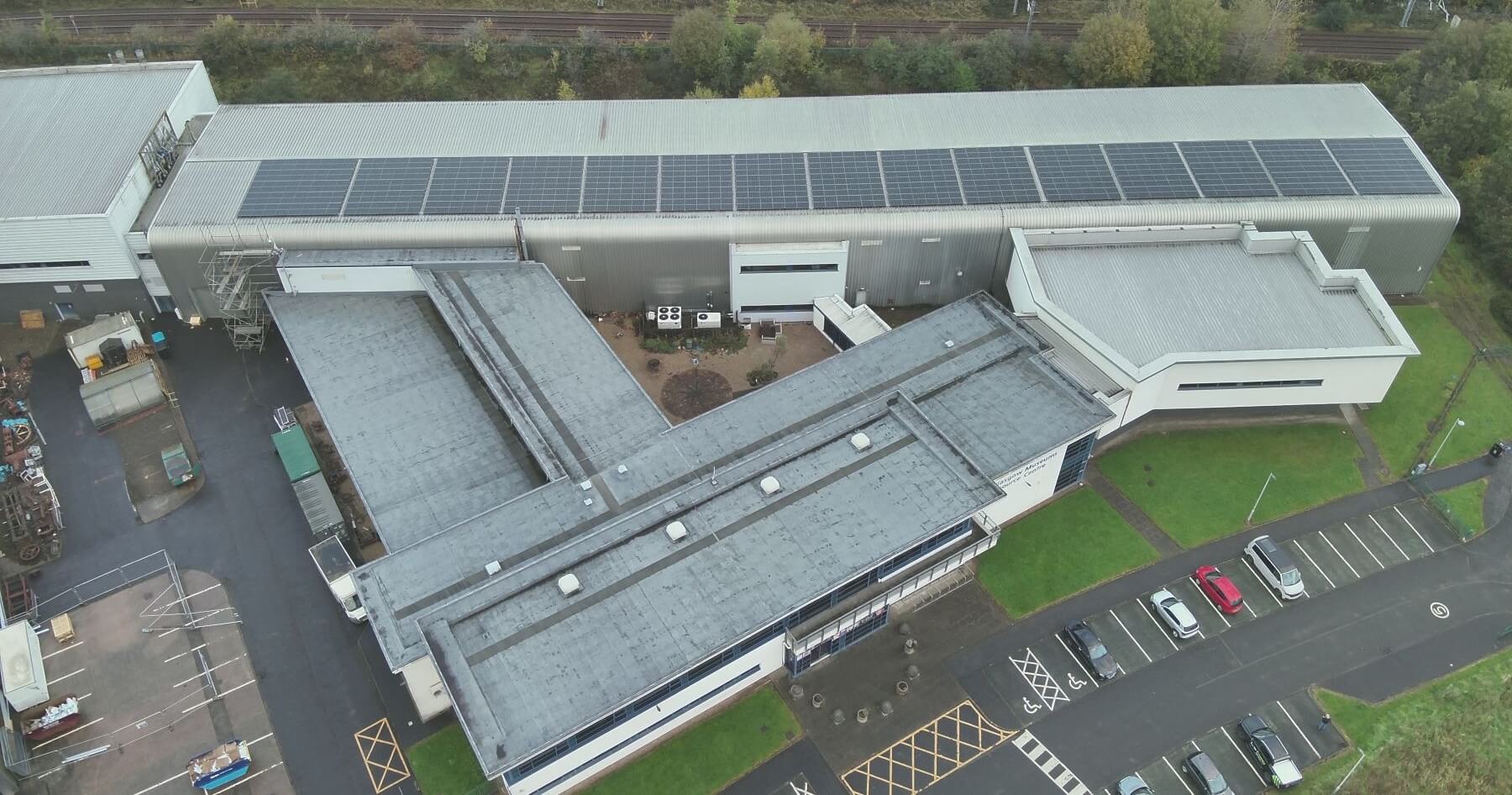
Solar Installation for Glasgow Museum

What Are ESG-Rated Solar Panels?

ESG stands for:

  • Environmental
  • Social
  • Governance

An ESG-rated solar panel refers to photovoltaic systems manufactured and supplied by companies that meet higher standards in:

  • Environmental responsibility
  • Ethical supply chains
  • Labour practices
  • Carbon reduction
  • Corporate transparency
  • Sustainable manufacturing

These panels are often chosen by organisations with:

  • Net zero commitments
  • ESG reporting requirements
  • Sustainability frameworks
  • Long-term investment strategies

For many businesses, ESG-focused procurement is becoming just as important as system performance.

Why ESG Matters in Commercial Solar?

Commercial property owners and developers increasingly need to demonstrate sustainable practices.

Installing commercial solar panels with strong ESG credentials can support:

  • Corporate sustainability goals
  • Green building certifications
  • Investor confidence
  • Tenant retention
  • Regulatory compliance

This is especially important for:

  • Warehouses
  • Industrial estates
  • Office developments
  • Agricultural properties
  • Retail units
  • Logistics facilities

As a result, many businesses now prioritise ESG performance when evaluating commercial solar panel companies.

The Long-Term Value of High ESG-Rated Solar Panels

While ESG-rated systems may sometimes involve slightly higher upfront investment, their long-term value often significantly outweighs the initial cost.

Higher Long-Term Reliability

High ESG-rated manufacturers typically invest heavily in:

  • Product quality
  • Manufacturing standards
  • Research and development
  • Long-term durability testing

This often results in:

  • Better panel efficiency
  • Lower degradation rates
  • Longer warranties
  • More stable energy generation

For large commercial PV installations, long-term reliability is critical to achieving projected ROI

Better Financial Performance Over Time

Many businesses focus heavily on upfront commercial solar panel price, but lifecycle value is often more important.

Higher-quality ESG-rated systems can:

  • Produce more electricity over time
  • Require fewer repairs
  • Deliver better long-term efficiency
  • Reduce maintenance costs

Over a 25–30 year lifespan, this can create significantly stronger financial returns.

For businesses investing in solar panels for commercial buildings, long-term performance consistency is essential.

Improved ESG and Sustainability Reporting

For developers and commercial property owners, sustainability reporting is becoming increasingly important.

Installing ESG-rated solar panels supports:

  • ESG disclosures
  • Carbon reduction targets
  • Net zero strategies
  • Environmental certifications

This can improve:

  • Brand reputation
  • Investor confidence
  • Corporate positioning

Businesses using commercial solar panels in Scotland are increasingly integrating solar into broader ESG frameworks.

Increased Property and Asset Value

Buildings equipped with high-quality ESG-focused roof-mounted solar panels are becoming more attractive to:

  • Investors
  • Institutional buyers
  • Tenants
  • Commercial occupiers

This is especially true for:

  • Industrial units
  • Logistics centres
  • Multi-let commercial properties
  • Warehousing developments

Properties with strong sustainability credentials may benefit from:

  • Improved valuations
  • Better occupancy rates
  • Enhanced EPC performance

Reduced Carbon Footprint

One of the biggest advantages of ESG-rated systems is their contribution to emissions reduction.

Businesses installing:

  • Commercial PV panels
  • Industrial solar panels
  • Roof-mounted PV panels

can significantly lower operational carbon emissions.

This is increasingly important as organisations face pressure from:

  • Investors
  • Customers
  • Government regulations
  • Supply chain partners

Better Supply Chain Transparency

Not all solar panels are manufactured equally. Some lower-cost products may involve:

  • Poor labour conditions
  • Weak environmental oversight
  • Limited traceability

High ESG-rated manufacturers generally provide:

  • Transparent sourcing
  • Ethical manufacturing standards
  • Sustainable production practices

For organisations focused on responsible procurement, this matters significantly.

Stronger Long-Term ROI

Commercial solar is ultimately a long-term investment.

While lower-cost systems may appear attractive initially, premium ESG-rated systems often outperform over time due to:

  • Lower degradation
  • Better reliability
  • Higher energy generation
  • Reduced operational issues

Commercial buildings consume significant amounts of electricity, making them ideal for solar adoption.

High ESG-rated solar panels for commercial buildings help organisations:

  • Reduce operational costs
  • Improve sustainability performance
  • Future-proof assets
  • Meet regulatory expectations

As energy costs continue to rise, businesses are increasingly turning to commercial solar installers to improve long-term resilience.

FINANCE OPTIONS