How to Compare Solar PV System Warranties from Different Providers

Choosing a solar installation is a long-term investment. While the price, panel efficiency and estimated electricity savings all matter, the warranties offered by each provider deserve equal attention. A low-cost quote may not provide the same protection against equipment faults, installation problems or unexpected repair costs as a more comprehensive package.

The best solar PV system warranty is not necessarily the one with the longest duration. It is the one that clearly explains what is covered, who is responsible and what you would have to pay if something goes wrong.

For homeowners, landlords and property developers, comparing warranties before signing a contract can help avoid unexpected expenses and make it easier to choose a reliable installation provider.

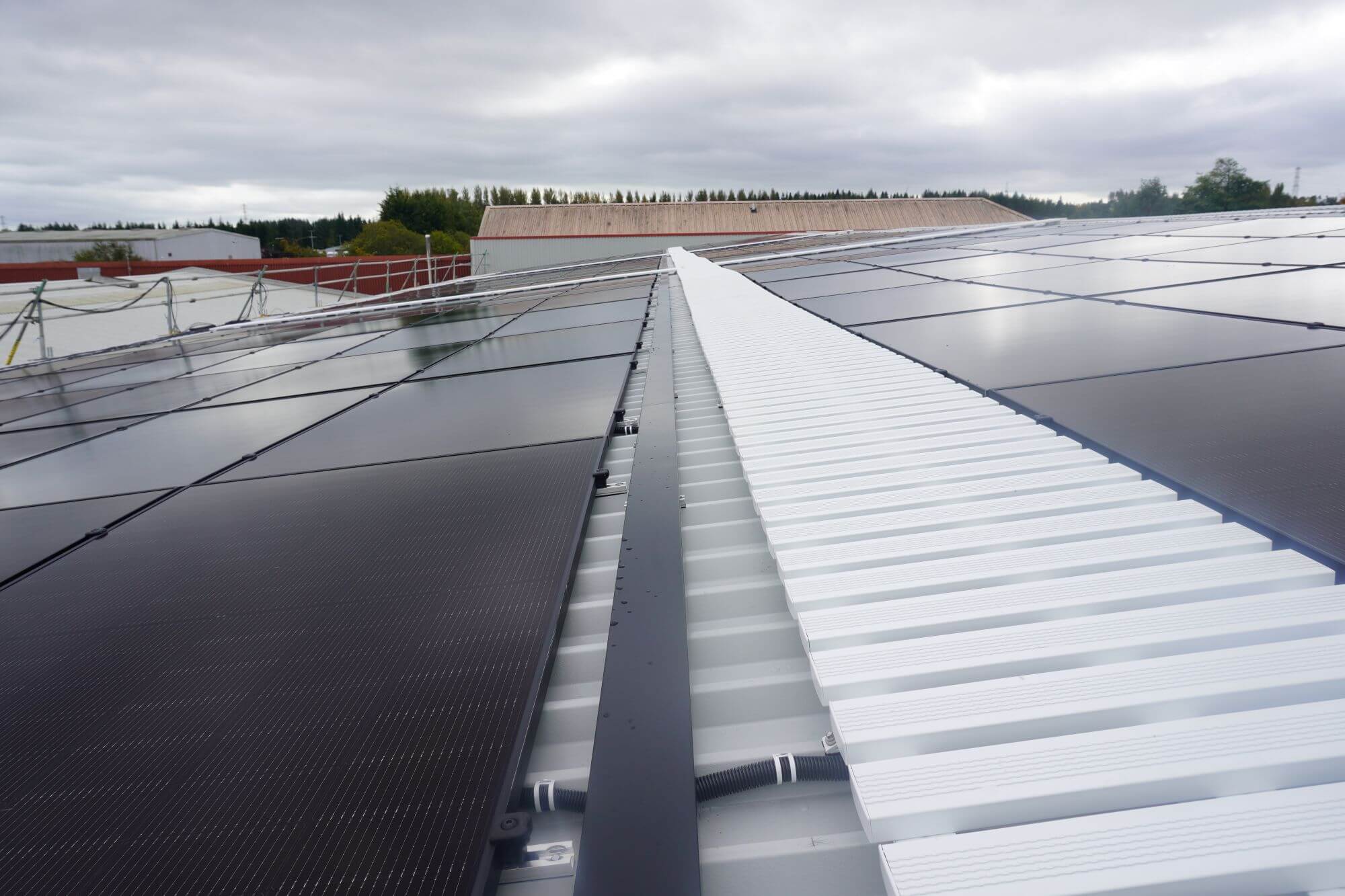
A quality installation of solar panels designed for easy maintenance

Understand the Different Types of Solar Panel Warranties

Solar PV systems usually come with several separate warranties. These may be provided by the equipment manufacturer, the installer or an insurance provider. It is important to understand the difference.

Solar panel product warranty

A solar panel product warranty covers specified manufacturing defects and faults in the equipment. Depending on the terms, this may include problems with materials, components or workmanship during manufacturing.

Compare the length of the warranty, its exclusions and the remedy offered if a panel develops a fault. Check whether replacement equipment, labour and the removal and refitting of panels are included.

Solar panel performance warranty

Solar panels gradually lose some generating capacity over time, a process known as degradation. A performance warranty specifies the minimum power output the manufacturer guarantees over a defined period.

For example, a manufacturer might guarantee that a panel retains a specified percentage of its original rated output after 25 years. This is not the same as promising that your entire solar PV system will generate a particular amount of electricity every year.

Check the guaranteed output levels, measurement method and process for making a performance claim.

Solar inverter warranty

The inverter converts the electricity generated by your solar panels into usable electricity for your property. As an essential system component, its warranty deserves careful attention.

Compare the standard warranty period, options for extending cover and the cost of replacement if a fault occurs outside the warranty period.

Solar installation workmanship warranty

An installation warranty covers specified problems arising from the installation work itself. Depending on its terms, this may include faulty mounting, electrical installation issues or roof damage caused by poor workmanship.

Check how long the installer provides cover and whether an insurance-backed guarantee is available if the company ceases trading. An insurance-backed guarantee is separate from the manufacturer’s product warranty and has its own conditions.
Compare Warranty Lengths and Coverage Side by Side

When comparing solar panel installation companies, do not focus on warranty duration alone. Two providers may offer similar coverage periods but very different levels of protection.

Use this checklist when reviewing your quotes:

  • Product warranty: How long are the panels covered against manufacturing defects
  • Performance warranty: What minimum output is guaranteed, and how is it measured?
  • Inverter warranty: Is the standard cover sufficient, and can it be extended
  • Workmanship warranty: What installation-related problems are included?
  •  Labour and access costs: Will you pay for diagnosis, scaffolding, panel removal or refitting?
  • Claims procedure: Who do you contact, what evidence is required, and how long might a resolution take?
  • Transferability: Can the warranty be transferred if you sell the property?

Request the actual warranty documents rather than relying on statements in a brochure or sales conversation. This makes it easier to identify differences between providers and understand the practical value of each offer.

Check What Is Excluded from the Warranty

Warranty exclusions can make a significant difference to the protection you receive. Read the terms carefully to understand when a claim might be rejected.

Common exclusions may include:

  • Damage caused by severe weather, accidents or external events.
  • Faults resulting from unauthorised repairs or modifications.
  • Incorrect maintenance or failure to follow manufacturer instructions.
  • Damage caused by unsuitable installation or incompatible equipment, depending on the warranty terms.
  • Costs associated with scaffolding, transport or labour where these are not expressly covered.

Pay particular attention to whether the warranty covers the full cost of putting a fault right or only supplies replacement components. A replacement panel may be covered, for example, while the cost of accessing the roof and fitting it may not be.

Ask each provider to explain any exclusions that could leave you responsible for additional costs.

Check Whether the Installer Offers Insurance-Backed Protection

A manufacturer’s warranty and an installation warranty protect against different risks. Even if your solar panels have a long product warranty, you may still need separate protection for installation-related problems.

An insurance-backed guarantee (IBG) can provide protection for qualifying workmanship claims if the installer stops trading, subject to the policy’s terms and conditions.

When comparing solar installation companies, ask:

  • Is the workmanship warranty insurance-backed?
  • Which insurer or provider underwrites the guarantee?
  •  What events trigger the cover?
  •  Are there limits, exclusions or excess payments?
  •  How do you submit a claim if the installer is no longer operating?

Also check the installer’s relevant certification and consumer protection arrangements. MCS certification is useful evidence that an installer works within a recognised certification framework, but it is not itself a warranty or insurance policy.

Compare After-Sales Support and the Claims Process

Warranty coverage matters most when you need to use it. A provider offering clear after-sales support can make dealing with equipment faults less complicated.

Before choosing a company, find out whether it provides troubleshooting, fault diagnosis and help contacting manufacturers. Ask about response times, repair arrangements and whether call-outs are chargeable.

You should also confirm whether monitoring equipment or an online portal is included, allowing you to track solar generation and identify potential performance issues.

For landlords and property developers managing multiple buildings, consistent support and straightforward claims procedures can be especially valuable. Consider whether the provider can support future maintenance requirements across your portfolio.

Check Warranty Transferability and Your Legal Rights

If you sell your property, a transferable warranty may make the solar installation more attractive to a prospective buyer. However, transfer conditions vary: some warranties require notification, registration or payment of an administration fee.

Landlords should check how warranties operate when tenants change, while developers should confirm the documentation needed when properties are sold individually.

Remember that a commercial warranty does not replace your statutory rights. For consumer purchases, the UK Consumer Rights Act 2015 provides protections concerning the quality of goods and the standard of services, including relevant installation work. The precise rights and remedies depend on the circumstances and applicable law.

Keep copies of your installation contract, invoices, equipment specifications, warranty certificates and commissioning documents in a safe place.

Which Solar PV System Warranty Offers the Best Value?

The best option balances reliable equipment, comprehensive installation cover and responsive after-sales support.

Rather than selecting a provider based solely on the lowest price or longest advertised warranty, compare the total package. Consider what each warranty covers, who honours it, what costs remain your responsibility and how straightforward it would be to make a claim.

For example, a provider offering a slightly shorter workmanship warranty with clear terms, insurance-backed protection and dependable customer support may be a better choice than one advertising a longer warranty with significant exclusions.

Choose Solar PV Systems with Confidence

Comparing warranties is an important part of choosing solar PV systems for your home, rental property or development. Understanding product warranties, performance guarantees, inverter coverage and installation protection helps you assess the long-term value of each quote.

At Low Energy Services, we help property owners across Scotland, England and Wales explore solar panel installation options suited to their properties and energy requirements.

Planning a solar installation? Contact Low Energy Services to discuss your project, compare suitable system options and understand the warranty documentation you should review before making a decision.

Take the next step towards a solar installation that supports your energy goals, with greater clarity about the protection available.

FINANCE OPTIONS