Environmental, Social, and Governance (ESG) performance has become a central business priority. Investors demand transparency. Customers expect climate responsibility. Regulators require measurable emissions reporting.
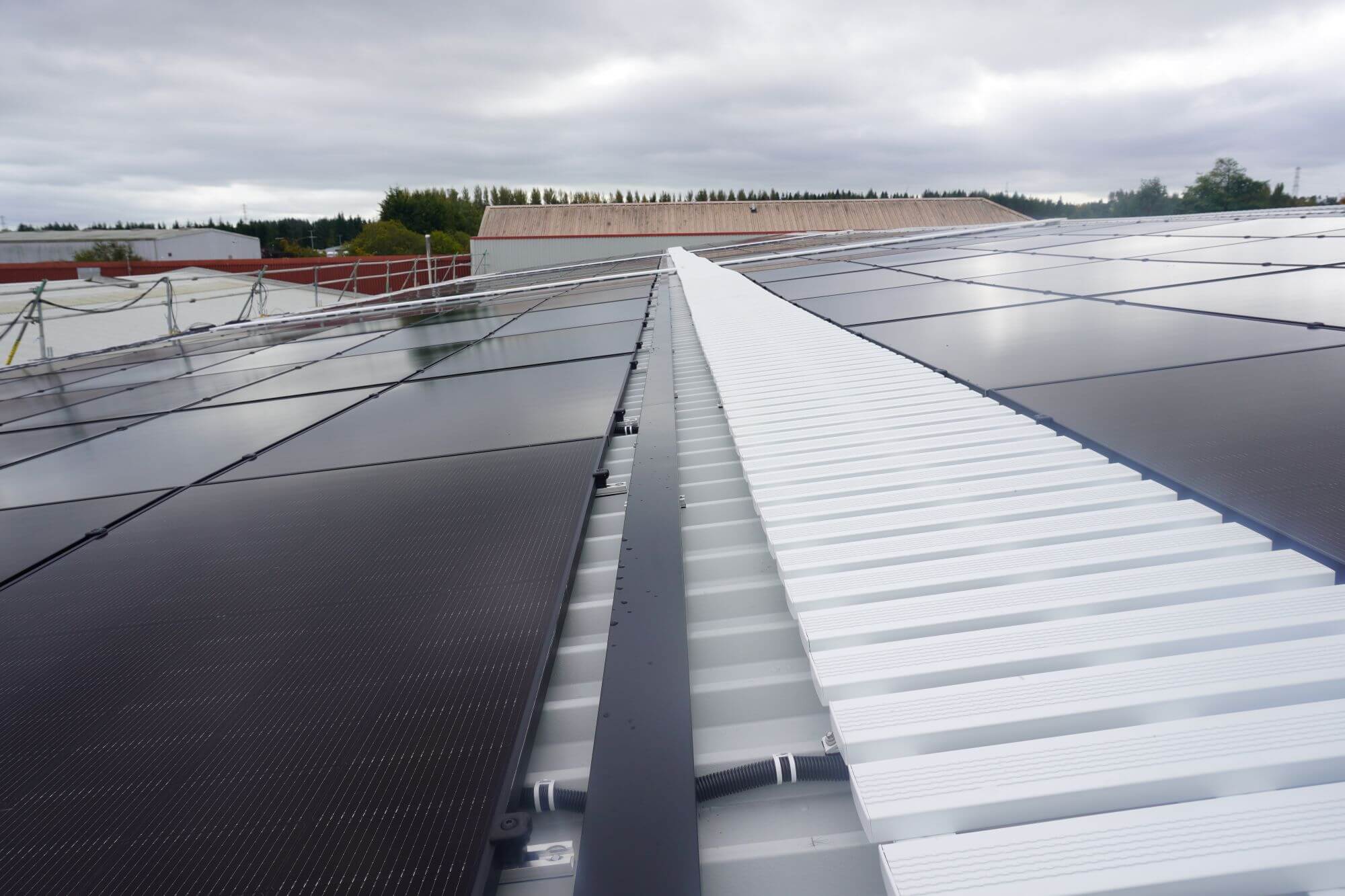
One of the most impactful investments a business can make is commercial solar panel installation. Solar energy directly reduces carbon emissions, improves energy transparency, and strengthens governance reporting.
For UK organisations pursuing net zero commitments, commercial solar PV systems provide a measurable, financially sound pathway to achieving ESG objectives.
Why Solar Is Core to ESG Strategy?
Environmental Impact
Commercial solar panel installation delivers immediate environmental benefits:
- Reduces Scope 2 emissions.
- Decreases fossil fuel dependency.
- Supports net zero targets.
- Lowers carbon reporting exposure.
Because solar systems generate clean electricity onsite, they directly reduce grid imports and associated emissions.
Social Responsibility
Sustainability is closely linked to corporate reputation. Investing in renewable energy demonstrates:
- Long-term climate commitment.
- Responsible leadership.
- Community engagement.
- Employee value alignment.
Companies with visible renewable energy solutions strengthen stakeholder trust and brand perception.
Governance and Transparency
Good governance requires measurable data. Modern commercial solar panel installation includes monitoring platforms that provide:
- Real-time generation data.
- Carbon reduction metrics.
- Energy performance reports.
- Auditable sustainability records.
These insights support SECR reporting and broader ESG disclosures.
Step-by-Step Guide to Integrating Solar into Your ESG Strategy
Establish a Carbon Baseline:
Understand your current energy consumption and emissions profile. Identify Scope 1, 2, and relevant Scope 3 emissions.
Conduct a Solar Feasibility Study:
Evaluate:
- Roof or ground space availability.
- Structural integrity.
- Energy demand patterns.
- Financial return projections.
- Grid connection requirements.
Commercial solar panel installation must align with operational realities and long-term strategic goals.
Model Financial and Carbon ROI:
ESG initiatives must balance environmental benefit with financial performance.
Solar provides:
- Predictable long-term energy cost savings.
- Asset value enhancement.
- Protection from carbon taxation risks.
- Competitive differentiation.
A clear financial case strengthens board approval.
Integrate Battery Storage:
Battery storage increases renewable utilisation and enhances emissions reduction. It also improves reporting metrics by raising self-consumption rates.
Set Measurable ESG Targets:
Examples:
- Reduce Scope 2 emissions by 50% within five years.
- Achieve 75% renewable electricity consumption.
- Reach net zero by 2040.
Commercial solar panel installation provides trackable performance data to measure progress.
Communicate and Report:
Solar investment can be showcased in:
- Annual ESG reports.
- Investor communications.
- Tender submissions.
- Sustainability web pages.
- Corporate social responsibility updates.
Transparency enhances competitive advantage.
Financial Advantages of ESG-Driven Solar Investment
Beyond compliance, solar strengthens commercial performance:
- Reduced operating expenses.
- Improved EBITDA margins.
- Increased investor appeal.
- Enhanced procurement competitiveness.
- Future regulatory readiness.
Sustainability now influences purchasing decisions and contract awards, particularly in public sector tenders.
Sectors Leading ESG Adoption Through Solar
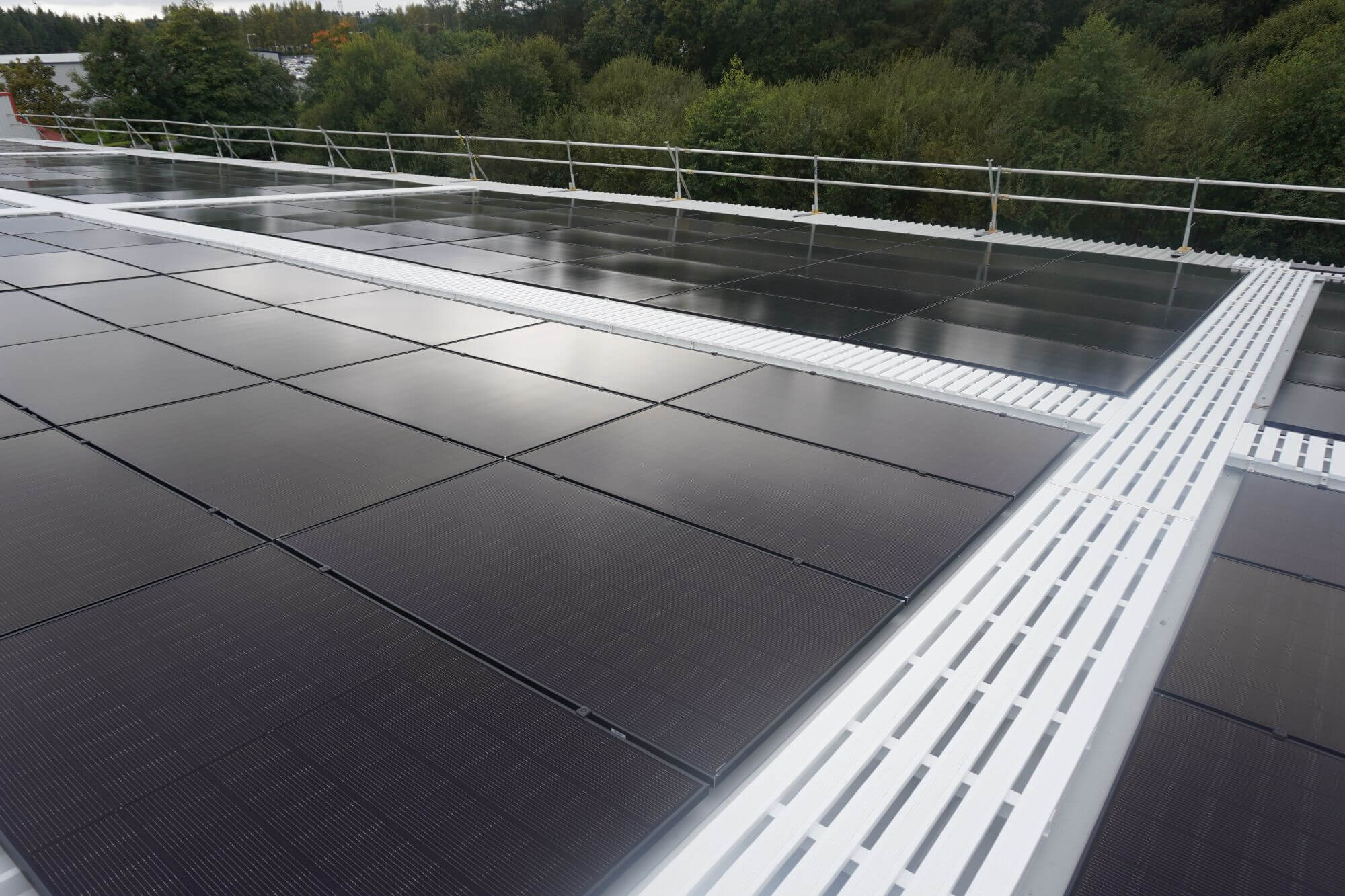
Industries benefiting most from commercial solar panel installation include:
- Manufacturing facilities.
- Warehousing and distribution centres.
- Retail parks.
- Education campuses.
- Commercial office buildings.
High daytime electricity usage makes these sectors ideal for solar PV systems.
Partnering with Experts for ESG Success
Low Energy Services works with businesses to align renewable energy projects with ESG objectives.
Their approach includes:
- Carbon reduction modelling.
- Detailed feasibility assessments.
- Financial forecasting.
- Regulatory alignment.
- Long-term system monitoring.
This ensures commercial solar panel installation delivers measurable ESG impact and long-term commercial value.
Turn ESG Commitments into Measurable Action
If your organisation is strengthening its ESG framework, commercial solar panel installation offers one of the most immediate and quantifiable improvements available.
Contact us today and build a resilient, future-focused sustainability strategy. Request a free quote now.