Best Roof Mounted Solar Panels for Agricultural Buildings in Scotland

For farms across Scotland, choosing the right roof-mounted solar panels can make the difference between an average investment and a highly profitable one.

Agricultural buildings, such as barns, grain stores, and livestock sheds, offer ideal conditions for solar. But not all systems are created equal. Factors like roof orientation, panel efficiency, and installation quality all play a crucial role.

If you’re exploring solar for farms and agricultural buildings, this guide will help you understand which systems work best and how to maximise your return. For a complete overview of solar for agriculture, read our in-depth guide on Solar for Farms and Agricultural Buildings.

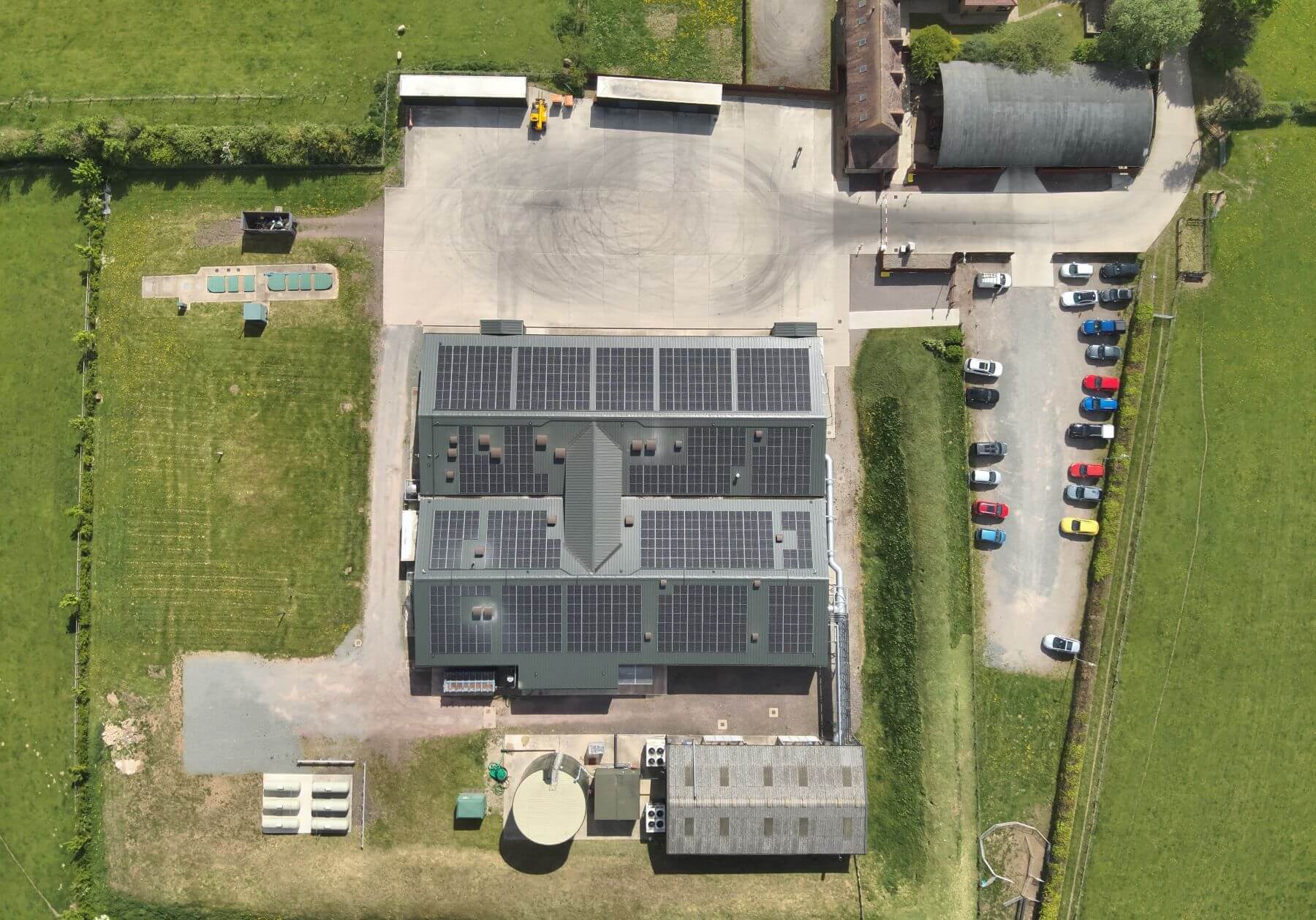
roof mounted solar panels for farms

Why Roof-Mounted Solar Panels Are Ideal for Farms?

A roof-mounted solar panel system is the most practical and cost-effective solution for most agricultural properties.

Key Advantages

  • Uses Existing Space: No need to sacrifice valuable farmland.
  • Lower Installation Costs: Compared to ground-mounted systems, roof-mounted PV panels are typically more affordable.
  • Faster Installation: Most systems can be installed with minimal disruption to farm operations.
  • High Energy Output: Large, unobstructed roofs allow for efficient energy generation.

This is why roof-mounted solar panel projects in Scotland are increasingly common in rural areas.

Types of Roof-Mounted PV Panels for Agricultural Buildings

Choosing the right panels is essential for performance and ROI.

Monocrystalline Solar Panels

Best for:

  • High efficiency
  • Limited roof space
  • Long-term ROI

These are commonly used in commercial solar panels and industrial solar panels.

Polycrystalline Solar Panels

Best for:

  • Lower upfront cost
  • Larger roof areas

While slightly less efficient, they can still perform well in solar panels for commercial buildings.

Bifacial Panels

An emerging option in commercial PV panels, these generate power from both sides, ideal for reflective surfaces like metal roofs.

Key Factors When Choosing a Solar System

Roof Condition:

Before installing roof mounted solar panels, your building must be structurally sound.

Older barns may require reinforcement before installation.

Energy Usage:

Understanding your energy demand helps determine the right system size.

This is especially important for:

  • Dairy farms
  • Processing units
  • Storage facilities

System Size and Scalability:

A good business solar panel installation should allow for future expansion.

Installer Expertise:

Working with experienced solar installers ensures:

  • Correct system design
  • Safe installation
  • Long-term performance
  • Cost of Roof Mounted Solar Panels for Farms

Commercial Solar Panels vs Domestic Systems

Agricultural installations fall under commercial solar panels, not domestic. Key Differences Between Domestic and Commercial Solar

  • Size: Domestic systems are typically small, while commercial systems are much larger to meet higher energy demands.
  • Cost: Domestic installations have a lower upfront cost, whereas commercial systems require a higher initial investment.
  • ROI: Domestic solar offers moderate returns, while commercial solar panels usually deliver stronger and faster ROI due to scale and usage.
  • Usage: Domestic systems are designed for household energy needs, whereas commercial systems support business operations and industrial activities.

This makes farms ideal for solar panels for business and industrial solar panel installation.
Installation Process for Roof Mounted Systems

A professional solar installation typically includes:

  • Site Survey: Assess roof structure and energy needs.
  • System Design: Custom layout using PV panels commercial buildings best practices.
  • Quotation: Detailed commercial solar quote provided.
  • Installation: Completed by certified commercial solar panel contractors.
  • Activation: System goes live with monitoring tools.

Maximising ROI from Your Solar Investment

To get the most from your solar panels:

  • Use energy during daylight hours
  • Install battery storage (optional)
  • Maintain panels periodically
  • Work with experienced commercial solar installers

When Should You Install Solar?

The best time to invest in roof mounted solar panels is now.

With rising energy prices and increasing demand for sustainability, early adopters benefit the most.

Final Thoughts

Choosing the right roof-mounted solar panel system is key to unlocking the full benefits of solar energy for farms.

By investing in high-quality commercial solar panels and working with trusted commercial solar panel contractors, you can reduce costs, improve sustainability, and future-proof your agricultural operations.

And if you haven’t already, be sure to read our complete guide on Solar for Farms and Agricultural Buildings to understand the full potential of solar for your property.

Ready to Upgrade Your Farm with Solar?

If you’re considering installing roof-mounted PV panels on your agricultural buildings, Low Energy Services can help.

Get a Free Commercial Solar Quote. Discover the ideal system for your farm and start saving on energy costs.

FINANCE OPTIONS